Hydraulic Pressure Gauge (Digital) – Hydraulic Pressure Sensors & Transmitters – Winsen

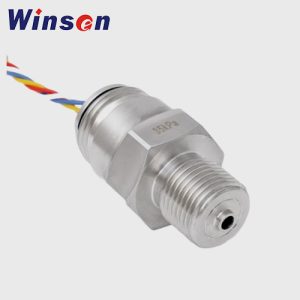
Hydraulic Pressure Gauge (Digital)

Upgrade from mechanical Bourdon gauges to a digital, robust, and remotely readable solution. Winsen’s industrial pressure transducers and transmitters cover hydraulic ranges up to 100 MPa with fast response and stainless-steel wetted parts. Pair the sensor with a panel indicator or PLC to display pressure locally and stream data to SCADA.

OEM/ODM • Private labeling • Flexible threads & connectors

What is a Digital Hydraulic Pressure Gauge?

A digital hydraulic gauge uses an electronic pressure transducer/transmitter to convert fluid pressure into an electrical signal and a display value. Compared with mechanical gauges, it offers better accuracy, shock resistance, remote monitoring, and alarm capability. It also supports data logging and predictive maintenance.

Drop-in threads common in hydraulics (G1/4, 1/4-NPT, M14×1.5, etc.)

Outputs for panel meters, PLCs, and SCADA (4–20 mA / 0–10 V)

Option to integrate digital I²C/SPI where available for embedded systems

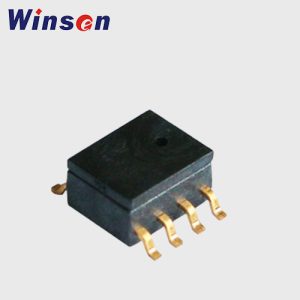
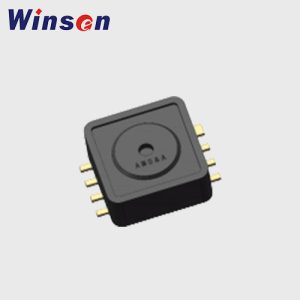
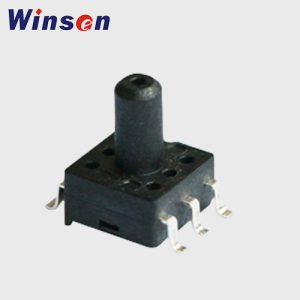
Pressure Sensor and Transmitter Comparison Overview

CategoryModelPower Supply / OutputDetection RangeAccuracy / NonlinearityPressure ReferenceOperating TemperatureShell MaterialRemarks
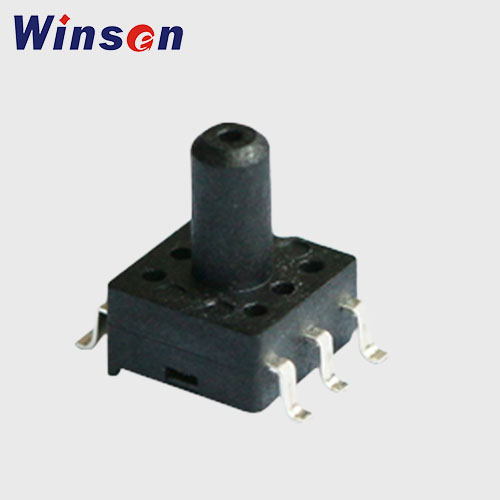
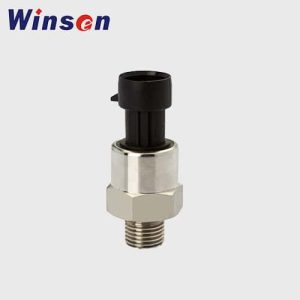
Diffused Silicon Pressure SensorWPAK701.5mA / mV-100kPa ~ 0 ~ 10kPa…10MPa≤±0.3%FSGauge / Absolute / Sealed Gauge-40℃ ~ 120℃High versatility, compact design
WPAK691.5mA / mV-100kPa ~ 0 ~ 10kPa…10MPa≤±0.3%FSGauge / Absolute / Sealed Gauge-40℃ ~ 120℃Similar to WPAK70
WPAK681.5mA / mV-100kPa ~ 0 ~ 10kPa…100MPa≤±0.3%FSGauge / Absolute / Sealed Gauge-40℃ ~ 120℃Extended range version
WPAK671.5mA / mV0 ~ 10kPa…2.5MPa≤±0.3%FSDifferential Pressure-40℃ ~ 120℃For differential applications
WPAK661.5mA or 10V / mV6MPa…60MPa≤±0.3%FSSealed Gauge-40℃ ~ 120℃Sealed design for higher ranges
WPAK651.5mA or 10V / mV-100kPa ~ 0 ~ 10kPa…16MPa≤±0.3%FSGauge / Absolute / Sealed Gauge-40℃ ~ 120℃General-purpose sensor
WPAK641.5mA or 10V / mV-100kPa ~ 0 ~ 10kPa…25MPa≤±0.3%FSGauge / Absolute / Sealed Gauge-40℃ ~ 120℃Moderate range coverage
WPAK63J1.5mA / mV-100kPa ~ 0 ~ 10kPa…100MPa≤±0.3%FSGauge / Absolute / Sealed Gauge-40℃ ~ 120℃J-type version for special mounting
WPAK631.5mA or 10V / mV-100kPa ~ 0 ~ 10kPa…100MPa≤±0.3%FSGauge / Absolute / Sealed Gauge-40℃ ~ 120℃Versatile with wide range
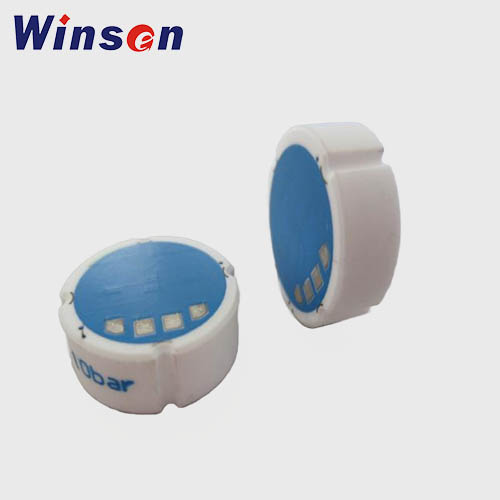
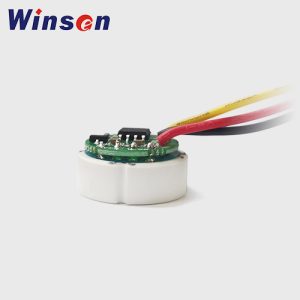
Ceramic Pressure SensorWPAH012–20V / mV0 ~ 200kPa…40MPa≤±0.3%FS-40℃ ~ 125℃High chemical resistance
Plastic Sealed Pressure SensorWPAS12Digital and analog15–115kPa-40℃ ~ 125℃Cost-effective, compact
WPAS02Digital and analog10kPa ~ 100kPa-20℃ ~ 80℃Basic sensor for air/gas
WPAS01Digital and analog10kPa ~ 100kPa-40℃ ~ 125℃Robust high-temp tolerance
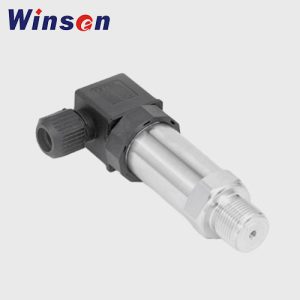
Diffused Silicon Pressure TransmitterWPCK814–20mA, RS4850 ~ 1m…200mH₂O±0.5%FS / ±1%FSGauge PressureStainless steelFor deep-level and tank level measurements
WPCK624–20mA (Optional)0 ~ 35kPa…25MPa±0.5%FSGauge / Absolute / Sealed GaugeStainless steelWidely compatible, thread options
WPCK084–20mA, RS4850 ~ 200mH₂O±0.5%FSGauge PressureStainless steelExplosion-proof version
WPCK074–20mA, 0.5–4.5V, 0–5V, 1–5V, 0–10V, 1–10V-100kPa ~ 0 ~ 10kPa…100MPa±0.5%FSGauge / Absolute / Sealed GaugeStainless steelFull-range output types
WPCK050.5–4.5V, 0–5V, 1–5V, 0–10V, 1–10V-100kPa ~ 0 ~ 10kPa…100MPa±0.5%FSGauge / Absolute / Sealed GaugeStainless steelVoltage output options
WPCK03I²C, 4–20mA, 0.5–4.5V and more-100kPa ~ 0 ~ 10kPa…100MPa±0.2%FS, ±0.5%FS (custom)Gauge / Absolute / Sealed GaugeStainless steelFlexible signal types, high accuracy
Ceramic Pressure TransmitterWPCH040.5–4.5V (Customizable)0.2MPa…40MPa0.1%FS (Default)Stainless steelHigh precision ceramic core
WPCH014–20mA, 0/1–5/10V, 0.5–4.5V0.2–5MPa0.1% ~ 5.0%FS (Default 2.0%)Stainless steelCustomizable, versatile outputs
WPBH01Proportional voltage (0.5–4.5V)2–400 bar (Customizable)0.5%, 1%, 2% (Default), 3%Stainless steelBroad pressure range
Glass Micro-Fusing TransmitterWPCK89Digital and analog0 ~ 100 / 150 / 250 / 500 psig±1%FSStainless steelExtremely robust and thermally stable

Selection Guide

Hydraulic EquipmentTypical RangeRecommended ModelPreferred OutputNotes
Hydraulic power packs, manifolds0–25 MPa / 0–31.5 MPaWPCK05 / WPCK074–20 mABest for long cable runs and noisy plants.
Presses, injection molding, die-casting0–40 MPa / 0–60 MPaWPCK03 / WPCH044–20 mA or 0–10 VCeramic diaphragm helps with pulsation.
Mobile hydraulics (excavator, loader)0–40 MPaWPCK074–20 mAChoose rugged connectors and cable glands.
Test benches & calibration rigs0–10 / 0–25 MPaWPCK620–10 VFast transient capture with <4 ms response.
OEM digital gauge platform6–60 MPaWPAK66 (core)Board-levelAdd your own display & housing to brand a gauge.

Thread options like G1/4, 1/4-NPT, M14×1.5 are available depending on model and region. Confirm exact part number at order.

Applications & Industries

Hydraulic Power Units (HPU)

Continuous monitoring on pump outlets and manifolds for alarms and trending.

  • Typical range: 0–25 / 0–31.5 MPa
  • Pick: WPCK05 / WPCK07 (4–20 mA)
  • Tip: Add snubber to tame pump ripple

Presses & Stamping Lines

High-pressure lines with shock loads and pulsation.

  • Typical range: 0–40 / 0–60 MPa
  • Pick: WPCK03 or WPCH04
  • Tip: Ceramic

Injection Molding & Die Casting

Fast transients during injection/holding phases.

  • Typical range: 0–25 / 0–40 MPa
  • Pick: WPCK07 (≤1 ms) / WPCK62 (<4 ms)
  • Tip: Use short impulse lines for response

Mobile Hydraulics

Excavators, loaders, cranes—vibration & temperature swings.

  • Typical range: 0–40 MPa
  • Pick: WPCK07 + rugged connector (M12/Deutsch)
  • Tip: Route cable away from actuators

Test Benches & Calibration Rigs

High repeatability and fast capture for transients.

  • Typical range: 0–10 / 0–25 MPa
  • Pick: WPCK62 (0–10 V)
  • Tip: Pair with high-impedance DAQ input

OEM Digital Gauge Platforms

Build branded gauge heads with your display & housing.

  • Typical range: 6–60 MPa
  • Pick: WPAK66 sensor core
  • Tip: Add your conditioning & logo panel

Why Global Clients Choose Us?

The company consistently adheres to the quality policy of “Fine Craftsmanship, Scientific Innovation, Pursuit of Excellence, and Value-Added Service.” By formulating production process control plans and work instructions, it has established a standardized, accountable, and regulated process management system. Additionally, the company has independently developed an MES production management system, enabling comprehensive and visual management across the entire workflow.

30+ YEARS OF EXPERIENCE

R&D, manufacture and sales of sensors and sensing solutions.

QUALITY GUARANTEE CONTINOUS IMPROVEMENT

Complete and rigid process flow control, coupled with significant improvements.

INTERNATIONAL MARKET

Deliver sensing products to more than 100 countries and regions.

STABLE SUPPLY CHAIN RELIABLE PRODUCTION

Core components not subject to constraints, advanced equipments for manufaturing and test.

R&D STRENGTH TECHNOLOGY INNOVATION

200+ patents, 180+ R&D team members, self-built labs for continous innovation.

ONE-STOP SERVICE

Professional consultation, fast delivery, 24 hours after-sales support.

Leading the Industry, Innovative & Controllable Technology

With robust R&D capabilities, we maintain sustained input in R&D and unwavering commitment to technological innovation. This not only ensures that we remain at the forefront of industry but also drives continuous innovation, leading the future trend of the sensing industry.

10% R&D Input

The average annual R&D input exceeds 10% of the annual revenue.

5+ R&D Layout

With Zhengzhou headquarters as the core, a nationwide R&D and innovation system is being established, encompassing cities of Shanghai, Wuhan, Shenzhen, and Taiyuan.

180+ R&D Team

There are over 180 R&D personnel, including more than 10 with doctoral degrees and over 50 with master's degrees, who have an average of more than 8 years of experience in sensor development.

20+ Experiment Types

Gas-related, Climatic Environment, EMC, Electrical Performance, Mechanical Performance, etc.

10+ Advanced Laboratories

CNAS Laboratory, MEMS Laboratory, UL Laboratory, Nanocomposite Materials Laboratory, etc.

400+ sets Leading R&D Equipment

Cube Storage, Die Bonder, Lithography Machine, Coating Machine, SMT Placement Machine, Automatic Probe Station, etc.

Request Consultation

    Success! Your message has been sent to us.
    Error! There was an error sending your message.

    Wechat

    Whatsapp

    Application Matrix

    ApplicationTypical FS RangeRecommended ModelPreferred OutputNotes
    HPU / Manifold0–25 / 0–31.5 MPaWPCK05, WPCK074–20 mANoise immunity for long cable runs
    Press / Stamping0–40 / 0–60 MPaWPCK03, WPCH044–20 mA or 0–10 VUse snubber; verify overload/burst
    Injection & Die Casting0–25 / 0–40 MPaWPCK07, WPCK620–10 V (fast DAQ) or 4–20 mA<4 ms response aids transient capture
    Mobile Hydraulics0–40 MPaWPCK074–20 mAM12/Deutsch; strain-relieved pigtails
    Bench & Calibration0–10 / 0–25 MPaWPCK620–10 VHigh-impedance input (>10 kΩ)
    OEM Gauge Build6–60 MPaWPAK66 (core)Board-levelAdd display, battery, enclosure

    Threads such as G1/4, 1/4-NPT, M14×1.5 are available per model. Confirm exact part number and labeling at order.

    Integration & Wiring

    Analog 4–20 mA (2-wire): Best EMC immunity and long-distance runs to PLC/indicator. Use 12–36 VDC loop power and keep loop impedance within sensor compliance.

    Analog 0–10 V: Simple panel-meter/DAQ hookup; ensure high-impedance input (>10 kΩ) and a clean supply.

    Ratiometric 0.5–4.5 V / Digital (I²C/SPI): Use for board-level or compact gauges where you control the electronics and display.

    • Add snubbers or small orifice when heavy pulsation causes pointer jitter.
    • For shock events, verify overload/burst ratings vs. peak spikes.
    • Use shielded, grounded cables near servo drives and pumps.

    Ordering & Bulk Purchasing

    How to Specify

    1. Range & units (e.g., 0–25 MPa, 0–40 MPa, 0–60 MPa)
    2. Output (4–20 mA, 0–10 V, ratiometric, digital)
    3. Process thread (G1/4, 1/4-NPT, M14×1.5, etc.)
    4. Connector & cable (M12, DIN, Packard/Deutsch, pigtail)
    5. Environment (temperature, vibration, IP, shock/pulsation)
    6. Documentation (test report, calibration cert, labeling)

    Program Terms

    • Samples for validation and bench tests
    • Tiered pricing for volume schedules
    • Private labeling & custom packaging
    • Rolling forecasts with safety stock on request

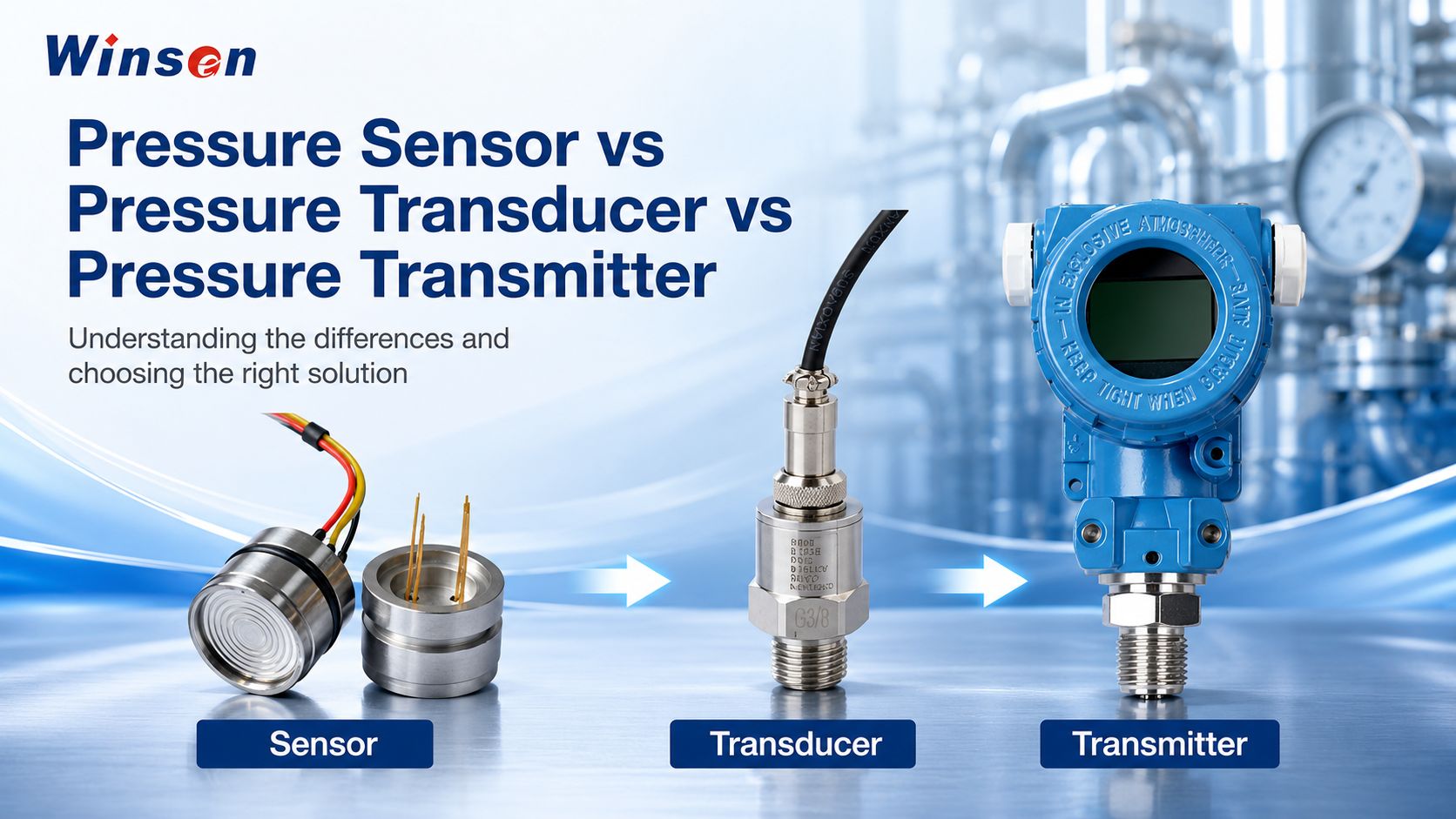
    Differential Pressure Sensor vs Transducer vs Transmitter

    DeviceOutputTypical UseProsConsiderations
    ΔP Sensor (board/compact)Ratiometric / I²C / SPIEmbedded devices, instrumentsSmall, low-power, cost-effectiveRequires host electronics and enclosure
    ΔP Transducer0–10 V / 4–20 mAPLC/DAQ measurementSimple wiring, long cable runsExternal display/relays not included
    ΔP TransmitterConditioned + enclosure (often display/relays)Field installation, panel mountRugged, installer-friendlyLargest size and highest cost

    Not sure which to choose? Share your controller model and mounting location—we’ll recommend the right package.

    Frequently Asked Questions (FAQ)

    Digital gauge vs. mechanical gauge — which should I choose?

    Choose digital if you need remote monitoring, alarms, logging, better vibration resistance or tighter accuracy; choose mechanical for very simple, no-power local indication.

    How do I protect the sensor from pulsation and spikes?

    Use a snubber/restrictor, flexible hose sections, and verify overload/burst ratings vs. your relief-valve setting and transient peaks.

    Can I retrofit without changing pipework?

    Yes — we offer common threads and adapters (G/NPT/metric). Provide photos or thread specs and we’ll choose a matching part number.

    Do you provide calibration certificates?

    Factory test reports are included for standard builds. Calibration certificates can be provided when required by your QA program.

    More Refrigerant Sensors Knowledge

    Pressure Units: The Complete Guide (with Conversion Tables & Sensor Tips)

    Learn the most common pressure units (Pa, kPa, MPa, bar, mbar, psi, atm, Torr/mmHg, inHg, inH₂O), when to use each one, and how to convert accurately using formulas, examples, and quick conversion tables—plus tips for specifying pressure sensors.

    READ MORE+

    Not sure which sensor is right?

    Get a free initial consultation right now

    has been added to your cart.
    Checkout