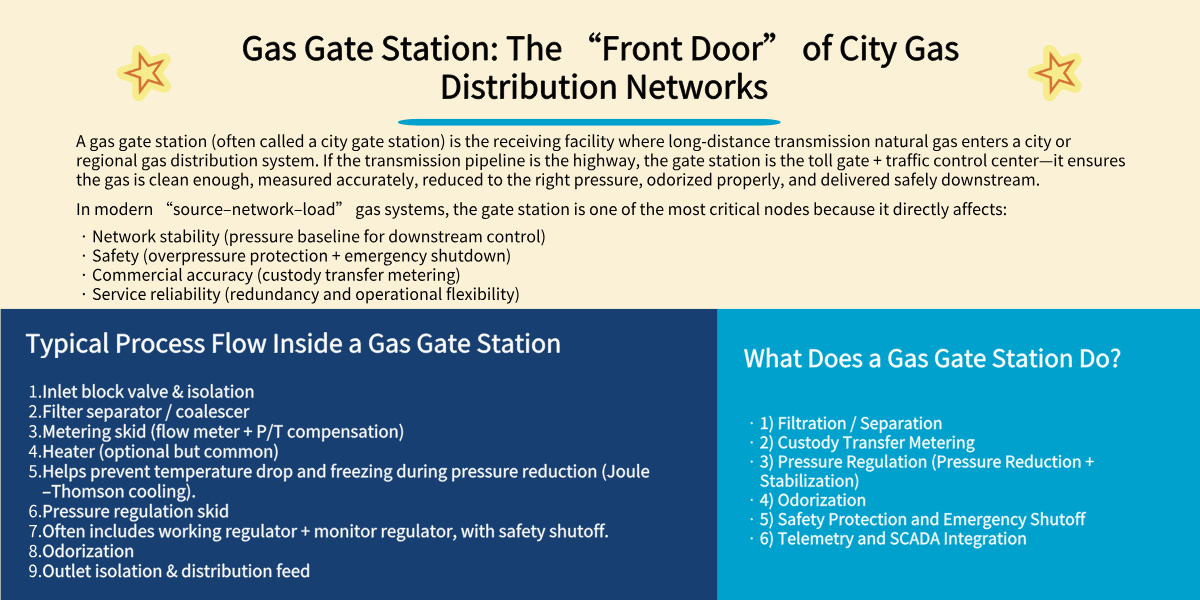
A gas gate station (often called a city gate station) is the receiving facility where long-distance transmission natural gas enters a city or regional gas distribution system. If the transmission pipeline is the highway, the gate station is the toll gate + traffic control center—it ensures the gas is clean enough, measured accurately, reduced to the right pressure, odorized properly, and delivered safely downstream.

In modern “source–network–load” gas systems, the gate station is one of the most critical nodes because it directly affects:

  • Network stability (pressure baseline for downstream control)
  • Safety (overpressure protection + emergency shutdown)
  • Commercial accuracy (custody transfer metering)
  • Service reliability (redundancy and operational flexibility)

What Does a Gas Gate Station Do?

Most gas gate stations integrate these core functions:

1) Filtration / Separation

Before metering and regulation, stations remove:

  • dust and solid particles
  • condensate or entrained liquids (where applicable)

This protects downstream flow meters, regulators, valves, and user equipment.

2) Custody Transfer Metering

Gate stations typically contain a metering system used for billing and balancing. Depending on design and standards, this may involve:

  • ultrasonic flow meters
  • turbine meters
  • orifice metering
  • volume correction using pressure + temperature measurement

Practical note: the metering skid’s accuracy depends heavily on stable, reliable pressure and temperature sensing.

3) Pressure Regulation (Pressure Reduction + Stabilization)

Transmission pipelines are often higher pressure than city distribution networks. Gate stations:

  • reduce pressure to a defined outlet setpoint (or multiple setpoints)
  • stabilize the outlet pressure against upstream fluctuations and downstream load changes

4) Odorization

Natural gas is typically odorized (by policy/regulation in many regions) so leaks can be noticed by smell. Odorant injection is often controlled based on flow rate and verified through operational checks.

5) Safety Protection and Emergency Shutoff

Typical safety protection logic includes:

  • overpressure protection (relief/monitor regulators, slam-shut valves)
  • underpressure protection (network stability / supply fault logic)
  • ESD (Emergency Shut Down) and isolation valves
  • gas detection and ventilation (depending on station type and enclosure design)

6) Telemetry and SCADA Integration

Gate stations often feed real-time data to a dispatch center:

  • pressure, differential pressure (ΔP), temperature
  • flow rate and totalized flow
  • valve/regulator position
  • alarms and event logs

Typical Process Flow Inside a Gas Gate Station

A simplified, common arrangement looks like this:

  1. Inlet block valve & isolation
  2. Filter separator / coalescer
  3. Metering skid (flow meter + P/T compensation)
  4. Heater (optional but common)
    Helps prevent temperature drop and freezing during pressure reduction (Joule–Thomson cooling).
  5. Pressure regulation skid
    Often includes working regulator + monitor regulator, with safety shutoff.
  6. Odorization
  7. Outlet isolation & distribution feed

Actual layouts vary by station capacity, climate, gas composition, and local codes.

Key Equipment List (with “why it matters”)

Subsystem Main Equipment Why It Matters
Filtration Filter/coalescer, drains Protects meters/regulators; reduces maintenance
Metering Ultrasonic/turbine/orifice meter, flow computer Billing accuracy, balancing, regulatory compliance
Pressure reduction Regulators, monitor regulators, control valves Keeps stable outlet pressure during demand swings
Thermal management Gas heater, temperature control Prevents icing and regulator instability in cold conditions
Odorization Odorant pump, injection block, verification Leak detectability (policy-driven)
Safety Relief valves, slam-shut, ESD valves Prevents overpressure incidents and isolates faults fast
Control PLC/RTU, SCADA communications Remote monitoring, alarms, dispatch optimization

Instrumentation: What Must Be Measured (and Where)

A modern gate station is an instrumentation-heavy environment. The “must-have” measurement points typically include:

Pressure measurements

  • transmission inlet pressure (before filtration)
  • metering pressure (for volume correction)
  • regulator inlet/outlet pressure (for control and safety)
  • downstream outlet pressure (network baseline)

Differential pressure (ΔP)

  • across filters (clogging indicator)
  • across metering elements (if applicable)
  • across regulators (diagnostics)

Temperature

  • for volume correction
  • for heater control
  • to identify abnormal cooling during regulation

Gas detection (station safety)

Depending on station type/enclosure:

Safety Systems: Why Gate Stations Are High-Responsibility Sites

Gas gate stations sit at a high consequence boundary: high upstream energy + downstream public distribution. Safety design is typically built around:

  • layered protection (control + monitor + mechanical relief)
  • fail-safe shutdown (slam-shut/ESD isolation)
  • hazard zoning and ignition control (site compliance)
  • procedures (start-up, shutdown, maintenance isolation, purge)

Operational best practice usually includes:

  • periodic functional testing of shutoff logic
  • calibration schedules for pressure/flow instruments
  • filter replacement management using ΔP trend data

Design & Selection Considerations (Engineering Checklist)

When designing or upgrading a gate station, engineers commonly evaluate:

  1. Capacity and peak demand
  2. Redundancy philosophy (N+1 regulators, parallel metering runs)
  3. Pressure class and measurement range
  4. Accuracy requirement for custody transfer
  5. Climate (winterization, heater sizing, condensation control)
  6. Maintainability (bypass lines, isolation valves, access)
  7. SCADA and cybersecurity requirements
  8. Calibration strategy (field verification + traceable standards)

Common Issues and How a Gate Station “Signals” Them

Symptom Likely Cause What Sensors Reveal
Outlet pressure instability regulator hunting, icing, control tuning rapid outlet pressure oscillation
Supply shortage complaints underpressure, filter clogging, upstream drop inlet/outlet pressure trend + ΔP rising
Metering disputes P/T compensation drift, meter contamination pressure/temperature drift vs reference
High maintenance frequency dirty gas, poor filtration management filter ΔP trends + contamination evidence
Winter problems JT cooling, icing, heater malfunction temperature drop + unstable regulation

FAQ

What is the difference between a gas gate station and a regulator station?

A gas gate station is the main entry point from transmission into a city system and usually includes metering + pressure regulation + odorization. A regulator station may be a downstream node focused primarily on pressure reduction and local network control.

Why does a gate station need both a working regulator and a monitor regulator?

This provides redundancy and safety: if the working regulator fails, the monitor regulator can limit outlet pressure and help prevent overpressure events (exact architecture varies).

Why is temperature measurement important for custody transfer?

Flow billing often requires correcting volume to standard conditions. That correction depends on accurate pressure and temperature signals.

Why do some stations include heaters?

Pressure reduction can cool the gas (Joule–Thomson effect). In cold conditions, heaters help prevent freezing/icing that can destabilize regulators and affect flow.

Where should pressure sensors be installed?

Typical points: upstream inlet, metering section, regulator inlet/outlet, and the final outlet to distribution. Differential pressure sensors are also used across filters and specific flow elements.

How Winsen Can Support Gas Gate Station Monitoring

A reliable gate station depends on stable sensing. Winsen can support station builders and integrators with:

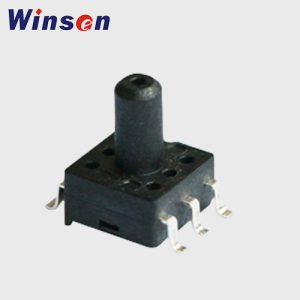
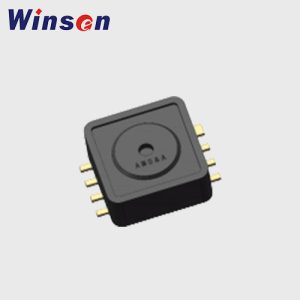
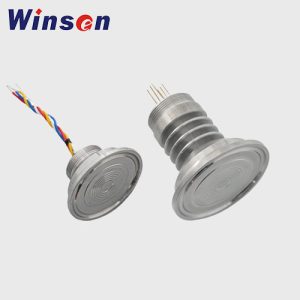
  • Pressure sensors / pressure transmitters for inlet/outlet and control feedback
  • Differential pressure sensing for filter condition monitoring and process diagnostics
  • Gas sensing solutions for station safety monitoring (project-dependent)
  • Optional: flow sensing where applicable (depending on your architecture)

If you tell me your inlet pressure class, required outlet range, accuracy needs, and signal interface (4–20 mA, I²C, UART, CAN/LIN, etc.), I can turn this into a product-matched version with a tighter selection table and a deployment diagram.

Leave a Reply

Your email address will not be published. Required fields are marked *