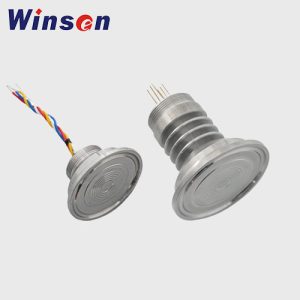
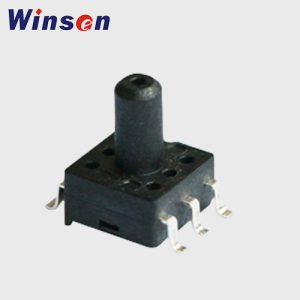
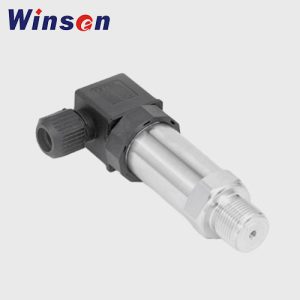
Dacă rețeaua de transport și distribuție de înaltă presiune este „artera energetică” a unui oraș, atunci dulapurile regulatoare de gaz instalate în apropierea cartierelor, clădirilor și punctelor de acces ale utilizatorilor sunt „supapele” care controlează cu precizie debitul și presiunea acelei energie.
Sarcina lor este simplă în teorie, dar solicitantă în practică:
trebuie să transforme gazul de medie presiune din amonte în gazul stabil de joasă presiune cerut de utilizatorii finali.
În spatele acestui proces se află o capacitate esențială: detectarea presiunii în timp real.
Fără feedback precis al presiunii, un dulap de regulator nu poate fi cu adevărat stabil, sigur sau receptiv. Acesta este motivul pentru care senzorii de presiune și transmițătoarele de presiune au devenit componentele centrale de detectare în interiorul dulapurilor moderne de reglare a gazului.
1. Dulapuri cu regulatoare de gaz: Nodul cheie în reducerea presiunii
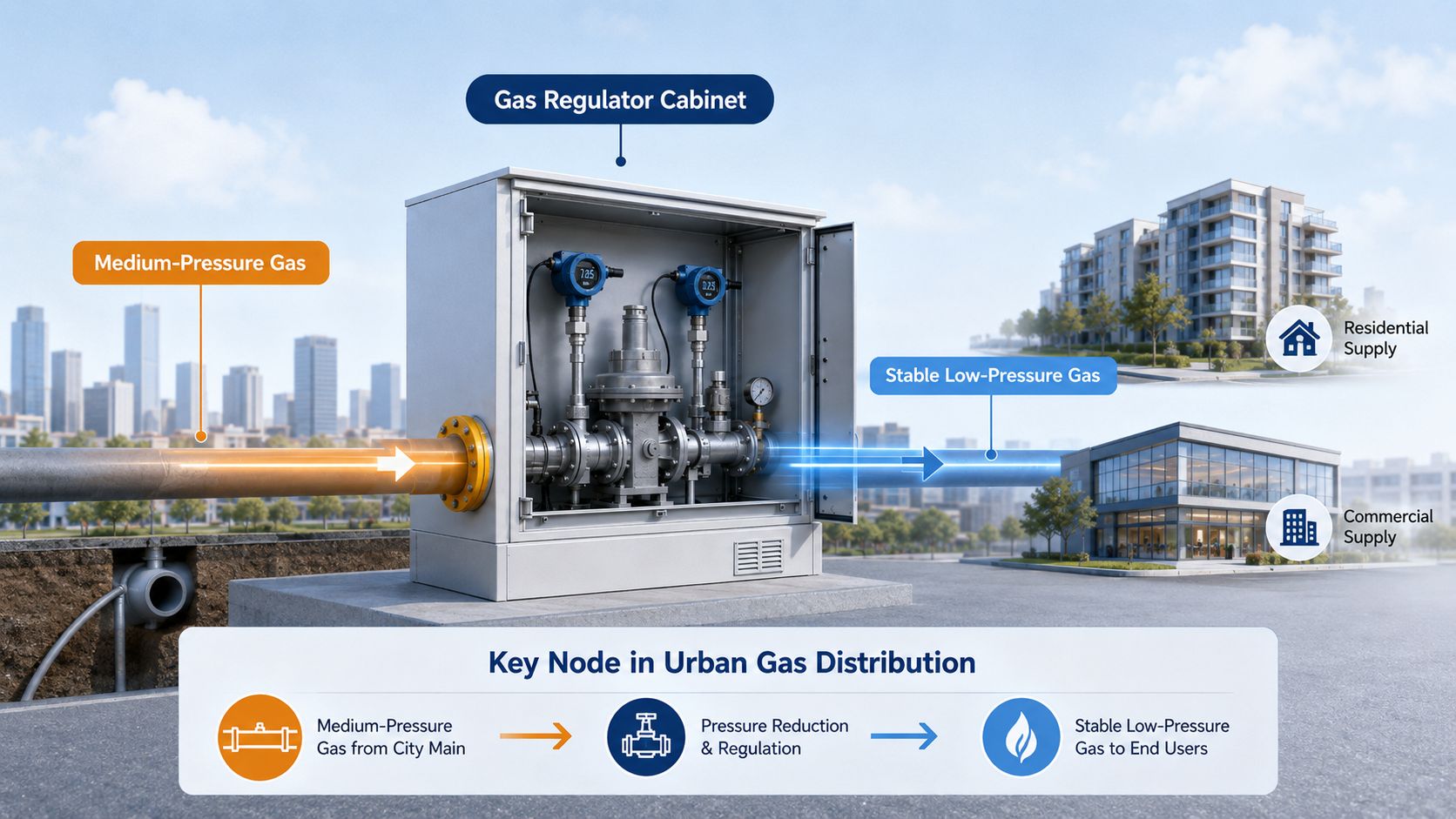
Un dulap regulator de gaz este o unitate de reglare a presiunii instalată într-o carcasă dedicată lângă o clădire consumatoare de gaz sau un punct de acces al utilizatorului. În funcție de stilul de instalare, acesta poate fi denumit:
- cutie regulatoare pentru tipuri montate pe perete sau subterane
- dulap regulator pentru tipurile pe podea
În sistemele urbane de distribuție a gazelor, dulapurile de reglare sunt de obicei instalate între rețeaua regională de conducte și punctul de alimentare al utilizatorului final. Rolul lor principal este de a primi gaz de medie presiune, reduceți și stabilizați-l, apoi livrați gaz sigur de joasă presiune la clădiri rezidențiale, facilități comerciale și alți utilizatori din aval.
„Regula de fier” a controlului cabinetului regulatorului
Indiferent de modul în care se modifică presiunea de intrare și indiferent de modul în care cererea de gaz din aval crește sau scade, presiunea de ieșire trebuie să rămână stabilă la punctul de referință țintă.
Aici intervin senzorii de presiune.
Pe tot parcursul funcționării, senzorul de presiune monitorizează continuu presiunea reală la ieșire și trimite acel semnal în timp real către sistemul de control. Acest semnal devine baza pentru reglementare, protecție și ajustare.
2. De ce contează transmițătoarele de presiune în dulapurile cu regulatoare de gaz
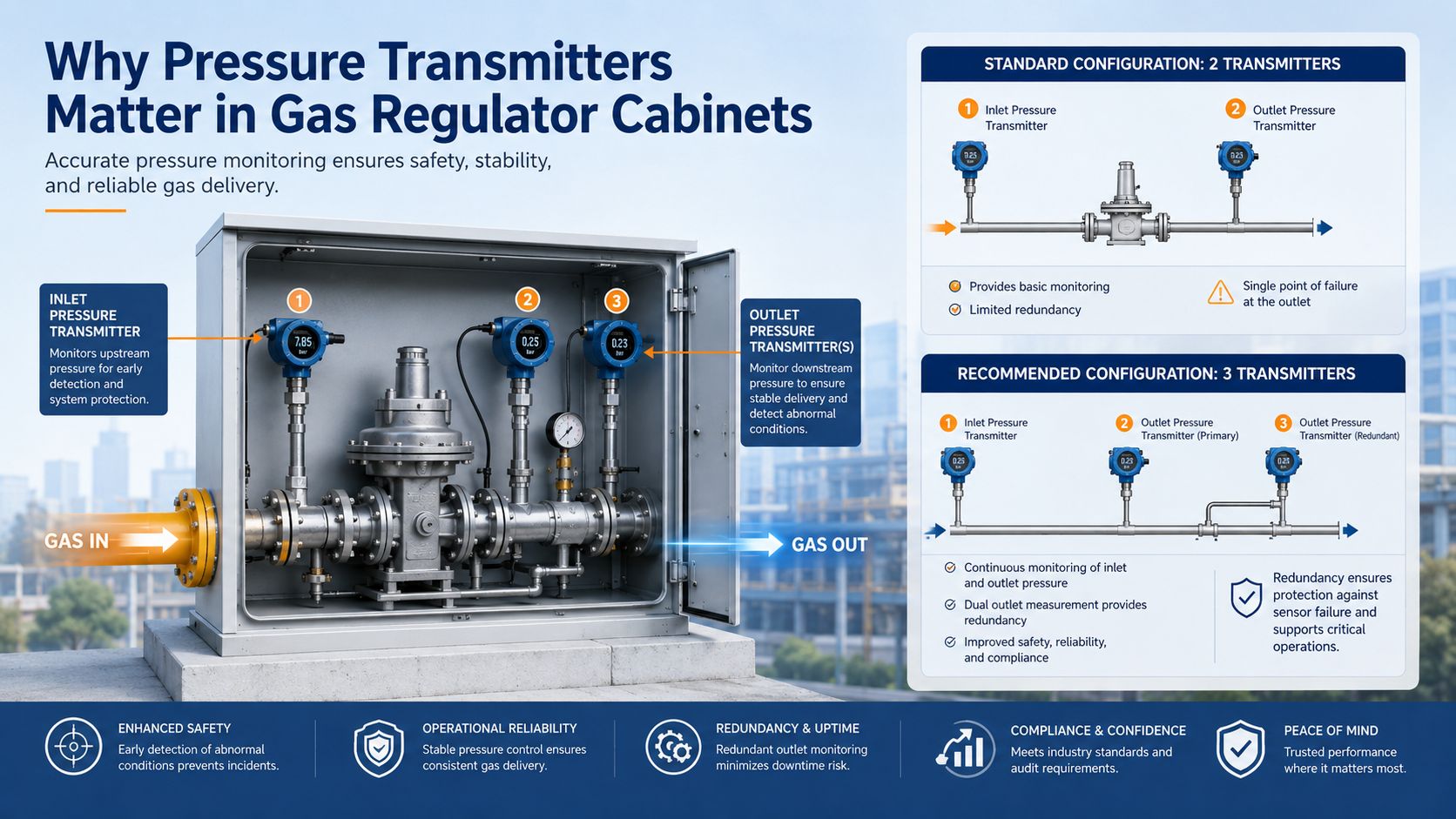
Principala sarcină a unui dulap regulator de gaz este de a reduce presiunea gazului din amonte la un nivel sigur și utilizabil în aval. Pentru a realiza acest lucru în mod fiabil, un simplu manometru mecanic nu este suficient.
O emițător de presiune oferă o soluție mai inteligentă, mai fiabilă și mai controlabilă.
A. Monitorizarea presiunii de admisie
Dacă presiunea din amonte este prea mare, se poate deteriora regulatorul sau echipamentul din aval.
Dacă presiunea din amonte este prea scăzută, regulatorul poate să nu funcționeze corect sau să cauzeze alimentare insuficientă în aval.
Prin monitorizarea continuă a presiunii de intrare, transmițătorul de presiune ajută la asigurarea faptului că gazul care intră în regulator rămâne într-un interval de funcționare acceptabil, susținând condiții stabile de alimentare.
B. Controlul presiunii de ieșire
Cel mai important obiectiv de control al dulapului regulatorului este presiunea de ieșire.
Prin măsurarea continuă și precisă a presiunii reglate a gazului, transmițătorul de presiune asigură că ieșirea rămâne în intervalul de siguranță necesar. Acest lucru protejează echipamentele din aval, cum ar fi:
- sobe pe gaz
- cazane
- sisteme de incalzire
- cuptoare industriale
și sprijină funcționarea lor sigură și eficientă.
C. Protecție de siguranță și logica de alarmă
Transmițătoarele de presiune nu sunt doar dispozitive de control. Sunt și dispozitive de siguranță.
Când apar condiții anormale de presiune, semnalul de la transmițător poate fi utilizat pentru:
- declanșează alarme
- activați logica de oprire
- susține acțiunea supapei de protecție
- preveniți ca suprapresiunea sau subpresiunea să se transforme într-un incident mai mare
D. Funcționare mai inteligentă decât manometrele mecanice
În comparație cu manometrele tradiționale, transmițătoarele de presiune oferă:
- ieșire electrică continuă
- capacitatea de monitorizare de la distanță
- integrare mai ușoară SCADA / PLC
- analiză și diagnosticare a tendințelor mai bune
- conectare mai rapidă cu sistemele automate de control
Pentru rețelele moderne de distribuție a gazelor, acest lucru face ca transmițătoarele de presiune să fie adevărata soluție de detectare a gradului de control.
3. De câte transmițătoare de presiune are nevoie de un dulap de regulator?
Numărul de transmițătoare de presiune utilizate într-un dulap de regulator de gaz nu este fix. Depinde de designul cabinetului, strategia de control, cerințele funcționale și nivelul de siguranță.
Configurație standard: 2 transmițătoare
Un aranjament de bază include adesea:
- 1 transmițător de presiune la intrare pentru a monitoriza presiunea din amonte
- 1 transmițător de presiune la ieșire pentru a monitoriza presiunea din aval și a susține controlul
Acest lucru poate satisface nevoile multor dulapuri de regulatoare standard.
Configuratie recomandata: 3 transmitatoare
Un aranjament mai comun și mai sigur include:
- 1 transmițător de presiune la intrare
- 2 traductoare de presiune la iesire
În această configurație:
- un transmițător de priză acționează ca emițător de control principal pentru reglarea în buclă închisă
- al doilea transmițător de ieșire acționează ca a transmițător de rezervă, verificare sau protecție
Acest lucru îmbunătățește atât siguranța, cât și fiabilitatea, în special în punctele critice de alimentare cu gaz.
4. Principala provocare de control: de la fluctuația presiunii la ieșire stabilă
Dulapurile regulatoare de gaz funcționează într-un mediu dinamic. Presiunea nu este niciodată perfect constantă. Două variabile principale se schimbă mereu:
- presiunea de intrare în amonte
- cererea de gaze în aval
Când aceste variabile se modifică rapid, dulapul regulatorului trebuie să răspundă rapid și precis. Dacă nu, rezultatul poate fi:
- suprapresiune temporară
- subpresiune temporară
- performanță instabilă a arzătorului
- experiență slabă a utilizatorului
- risc crescut de siguranță
Senzorii de presiune rezolvă această problemă transformând schimbările reale de presiune în semnale în timp real asupra cărora sistemul de control poate acționa imediat.
Exemplu: cererea din aval se modifică brusc
Atunci când mulți utilizatori din aval pornesc sau opresc echipamentele consumatoare de gaze în același timp, debitul se modifică în trepte. Acest lucru creează perturbări ale presiunii de ieșire.
Un transmițător de presiune rapid și stabil permite controlerului să detecteze imediat abaterea presiunii și să ajusteze regulatorul în consecință, minimizând depășirea și restabilind presiunea de ieșire stabilă.
Fără această buclă de detectare rapidă, răspunsul regulatorului devine întârziat, iar stabilitatea presiunii are de suferit.
5. Cum să selectați transmițătorul de presiune potrivit pentru aplicațiile din cabinetul regulatorului
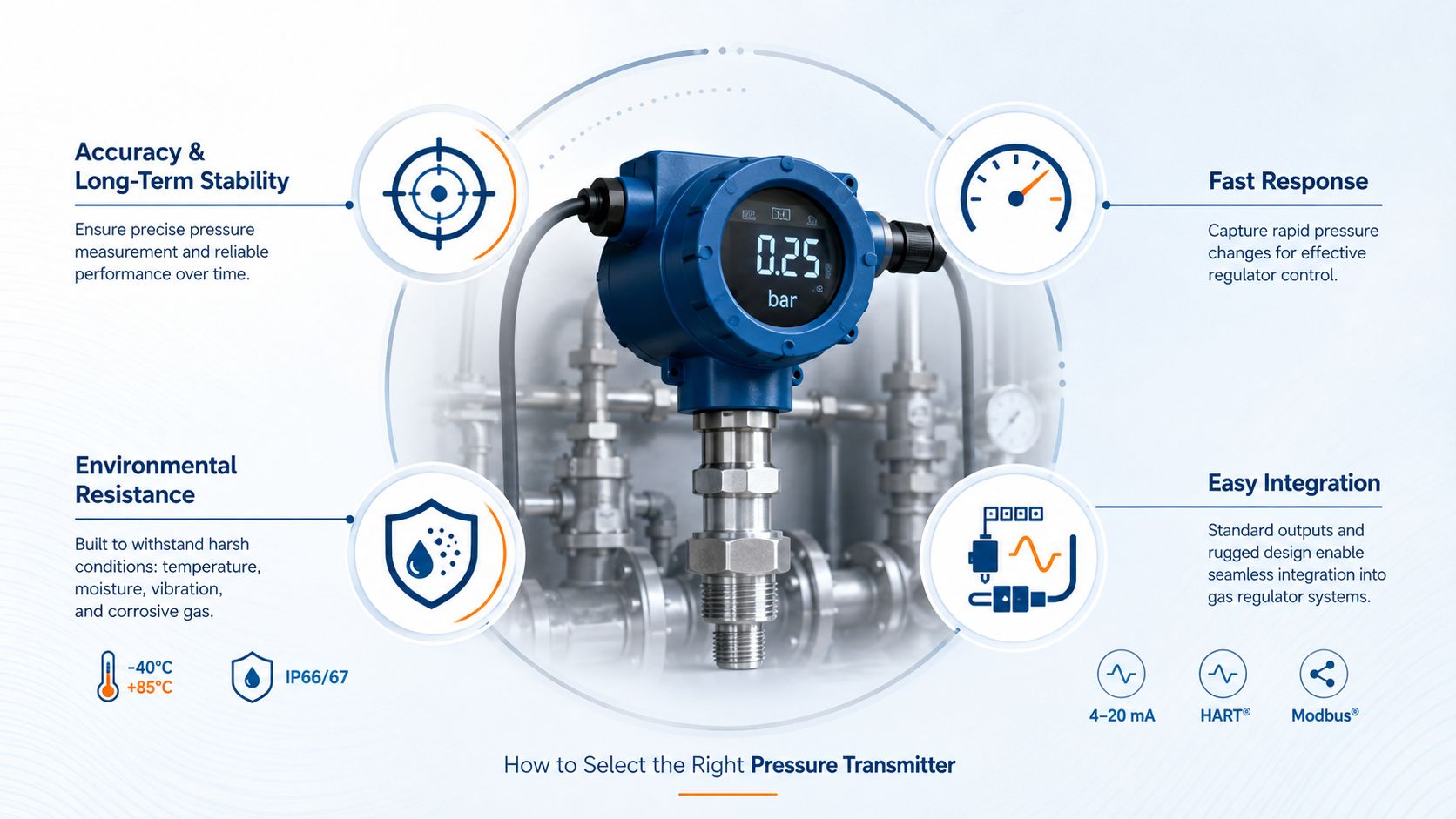
În această aplicație, selecția transmițătorului de presiune ar trebui să se bazeze pe funcția și mediul real al dulapului regulatorului.
A. Precizia și stabilitatea pe termen lung sunt fundamentul
Misiunea de bază a unui dulap de regulator este controlul stabil al presiunii de ieșire.
Aceasta înseamnă că transmițătorul are nevoie nu numai de o precizie inițială bună, ci și de o stabilitate puternică pe termen lung. Dacă ieșirea variază în timp, sistemul de control își va pierde încet precizia, ceea ce poate afecta calitatea și siguranța reglementării.
B. Răspunsul rapid determină performanța dinamică
Viteza de răspuns este critică atunci când cererea de gaz se modifică brusc.
Transmițătorul de presiune trebuie să poată răspunde suficient de rapid pentru a trimite la timp semnale de fluctuație a presiunii către controler. Răspunsul lent cauzează întârziere de control, care poate duce la suprapresiune sau subpresiune temporară.
Pentru dulapurile regulatoare, răspunsul dinamic nu este o caracteristică de lux. Face parte din funcționarea sigură.
C. Rezistența mediului este esențială
Interiorul unui dulap de regulator nu este un mediu de laborator. Se poate confrunta cu:
- acumularea de căldură de vară în interiorul incintei
- temperaturi scăzute de iarnă
- condensare
- praf
- urme de gaze corozive
- stres pe termen lung la instalarea în aer liber
Prin urmare, transmițătorul ar trebui să aibă:
- capacitate mare de compensare a temperaturii
- producție stabilă în timpul schimbărilor sezoniere
- nivel de protecție suficient
- etanșare internă durabilă și fiabilitatea electronică
D. Compatibilitate cu mediile și etanșare
Deoarece mediul măsurat este gazul, performanța de etanșare și compatibilitatea pe termen lung a materialului sunt importante. Un transmițător utilizat în aplicații cu gaz trebuie să mențină o performanță stabilă fără scurgeri sau deviații de ieșire cauzate de mediu.
E. Integrare ușoară
Pentru instalarea și întreținerea practică, transmițătorul de presiune ideal ar trebui să fie și:
- ușor de conectat
- ușor de conectat la controlerul regulatorului
- potrivit pentru amenajări compacte de cabinet
- convenabil pentru fluxurile de lucru de înlocuire și calibrare