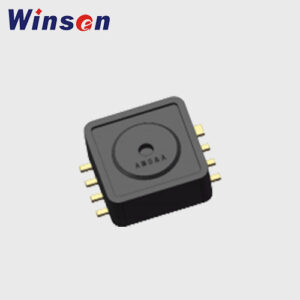
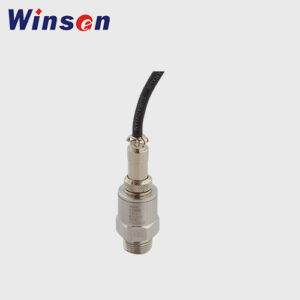
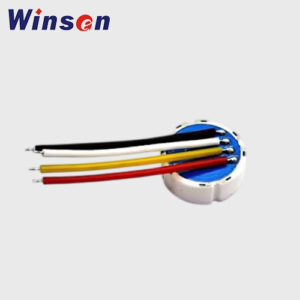
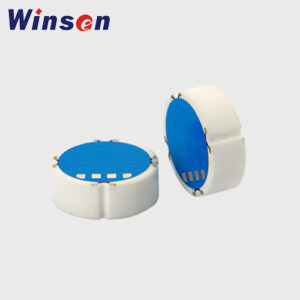
Druk is een van de meest fundamentele metingen in de natuurkunde, techniek en industriële toepassingen. Het beïnvloedt alles, van weersvoorspellingen en aerodynamica tot procesautomatisering en veiligheidsmonitoring. Onder de verschillende soorten drukmetingen:absoluut,, graadmeter,, differentieel, En verzegeld—afgesloten druk speelt een unieke rol, vooral in systemen die worden blootgesteld aan variërende atmosferische druk.
Verzegelde druk, vaak aangeduid als afgedichte overdruk, is vergelijkbaar met overdruk, maar met één cruciaal onderscheid: het gebruikt a verzegeld referentiepunt– doorgaans 1 atmosfeer (atm) of 14,7 psi (pounds per vierkante inch) – in plaats van realtime atmosferische druk. Dit maakt consistente drukmetingen mogelijk in omgevingen waar de omgevingsdruk kan fluctueren of ontoegankelijk is.
2. Wat is afgedichte druk?
2.1 Definitie
Verzegelde druk is de druk gemeten ten opzichte van een vaste, afgedichte referentie—meestal standaard atmosferische druk (1 atm = 101,325 kPa of 14,7 psi) —ingesloten in een kamer in de druksensor.
2.2 Het concept begrijpen
In meterdruk, de referentie is de realtime atmosferische druk, die kan variëren.
In afgesloten druk, de referentie is een afgesloten gasvolume van 1 atm, die permanent in de sensor wordt bewaard.
In absolute druk, de referentie is een perfect vacuüm (0 psi).
De afgedichte druk is dus effectief a overdruk met een vaste basislijn.
3. Eenheden van afgedichte druk
De afgedichte druk wordt uitgedrukt in dezelfde eenheden als andere druktypen:
Pascal (Pa) of kilopascal (kPa)
Bar,, millibar (mbar)
Pond per vierkante inch (psi)
Centimeter kwik (inHg)
Millimeter kwik (mmHg)
Bijvoorbeeld:
50 psi (verzegeld) = 50 psi boven 1 atm-referentie
Afgedichte druksensoren zijn waardevol in omgevingen waar De atmosferische druk is mogelijk niet constant of toegankelijk, zoals:
6.1 Industriële hydraulische systemen
Afgedichte sensoren zorgen voor consistente metingen, ongeacht hoogte of lokale drukveranderingen.
Ideaal voor afgelegen locaties, berggebieden of afgesloten machines.
6.2 Onderwateruitrusting
Bij duik- of onderzeese systemen is atmosferische referentie niet relevant.
Afgedichte sensoren meten de druk ten opzichte van de oppervlaktedruk (1 atm) en bieden betekenisvolle dieptemetingen.
6.3 Lucht- en ruimtevaart
Vliegtuigen ervaren grote veranderingen in de atmosferische druk met de hoogte.
Afgedichte druksensoren bieden stabiele referentiewaarden die van cruciaal belang zijn voor de motor- en hydraulische prestaties.
6.4 Auto- en motorsport
Gebruikt in krachtige voertuigen voor motor-, transmissie- en remsystemen.
Zorgt voor consistente drukcontrole, ongeacht hoogte- of barometrische schommelingen.
6.5 Industriële automatisering
Afgedichte referentie elimineert de noodzaak voor ventilatie naar de atmosfeer.
Sensoren kunnen in behuizingen worden geïnstalleerd, waardoor het besmettingsrisico wordt verminderd.
7. Voordelen van afgedichte drukmeting
7.1 Milieu-isolatie
Geen ontluchting naar de atmosfeer nodig.
Verminderd risico op binnendringend vocht, vuil en corrosie.
7.2 Hoogte-onafhankelijkheid
Nauwkeurige drukmetingen, ongeacht de hoogte.
Ideaal voor draagbare en mobiele systemen die van hoogte veranderen.
7.3 Stabiliteit op lange termijn
Afgedichte kamer handhaaft een constante referentie.
Minder gevoelig voor barometrische variaties en omgevingsgeluid.
7.4 Veelzijdige installatie
Kan worden gemonteerd in afgedichte of ondergedompelde systemen.
Vereist geen atmosferische compensatie.
8. Ontwerpoverwegingen voor afgedichte druksensoren
Houd bij het selecteren of ontwerpen van een afgedichte druksensor rekening met het volgende:
Functie
Belang
Referentienauwkeurigheid
Moet overeenkomen met echte 1 atm of een andere basislijn
Mediacompatibiliteit
Sensormaterialen moeten bestand zijn tegen corrosie door procesmedia
Temperatuurcompensatie
Zorgt voor nauwkeurige metingen over het hele operationele temperatuurbereik
Mechanische robuustheid
Voor trillings-, schok- en slagvastheid
Elektrische interface
Analoog (0–5 V, 4–20 mA) of digitaal (I²C, SPI, CAN)
9. Sensortechnologieën die worden gebruikt bij afgedichte druk
9.1 Piëzoresistieve sensoren
Verandering in weerstand bij spanning van het middenrif.
Compact en kosteneffectief.
Gevoelig voor temperatuur – vaak gebruikt met compensatie.
9.2 Capacitieve sensoren
Meet de verandering in capaciteit als gevolg van membraanbeweging.
Hoge nauwkeurigheid en laag stroomverbruik.
9.3 MEMS (micro-elektromechanische systemen)
Geminiaturiseerde sensoren voor draagbare apparaten en consumentenapparaten.
Geïntegreerd met ASIC's voor signaalverwerking en kalibratie.
10. Uitdagingen en beperkingen
Ondanks hun voordelen hebben afgedichte druksensoren ook enkele beperkingen:
Drift in de tijd: Een afgedichte referentie kan langzaam lekken of de druk veranderen.
Vaste referentiebeperkingen: Kan zich niet aanpassen aan realtime atmosferische variaties.
Kalibratievereiste: Mogelijk is periodieke kalibratie nodig om de nauwkeurigheid te behouden.
11. Kalibratie en onderhoud
11.1 Kalibratieproces
Vergelijk de sensoruitvoer met een bekende standaarddrukbron.
Pas het signaal aan om een correcte meting op referentie- en volledige schaalpunten te garanderen.
11.2 Onderhoudstips
Vermijd mechanische schokken of drukpieken.
Bescherm tegen extreme temperaturen.
Inspecteer op tekenen van lekkage of sensordrift.
12. Casestudy: afgedichte druk in elektrische voertuigen (EV's)
Scenario: Thermische beheersystemen voor EV-batterijen vereisen een nauwkeurige drukregeling om de koelefficiëntie te garanderen.
Probleem: Het voertuig werkt op grote hoogten en atmosferische omstandigheden.
Oplossing: Afgedichte druksensoren zorgen voor consistente metingen van de vloeistofdruk in koelleidingen, ongeacht de hoogte.
Resultaat: Verbeterde systeembetrouwbaarheid en thermische prestaties in variabele rijomstandigheden.
13. Afgedichte druk in sensorselectie
Bij het kiezen van druksensoren bieden fabrikanten vaak meerdere referentie-opties:
Absoluut
Graadmeter
Verzegelde meter
Differentieel
Kiezen verzegelde meter wanneer:
Het systeem is afgesloten van de atmosfeer.
De applicatie werkt over variërende hoogten.
De omgeving is hard of ontluchten is ongewenst.
14. Samenvatting van de belangrijkste verschillen
Druktype
Referentie
Gebruik Omgeving
Ventilatie nodig
Absoluut
Vacuüm (0 Pa)
Wetenschappelijk, ruimtevaart
Nee
Graadmeter
Omgevingslucht
Algemeen gebruik, banden
Ja
Verzegeld
1 atm verzegeld
Hoogte-ongevoelig, ondergedompeld
Nee
Differentieel
Twee drukpunten
Stroming, filterbewaking
Hangt ervan af
15. Opkomende trends en innovaties
15.1 Digitale slimme sensoren
Inclusief temperatuur- en drukcompensatie.
Zelfdiagnose en conditiebewaking.
Integratie met IoT-platforms voor monitoring op afstand.
15.2 Miniaturisatie
Op MEMS gebaseerde verzegelde sensoren die worden gebruikt in drones, wearables en medische apparaten.
15.3 Draadloze druksensoren
Gebruikt in roterende systemen of moeilijk bereikbare plaatsen.
Aangedreven door energiewinning of batterijen met een lange levensduur.
16. Conclusie
Verzegelde druk is een essentieel concept in de moderne techniek en biedt een stabiele en omgevingsonafhankelijke methode voor drukmeting. Of het nu gaat om externe hydraulische systemen, automobieltoepassingen of onderwaterapparatuur, afgedichte druksensoren leveren betrouwbare gegevens zonder afhankelijk te zijn van realtime atmosferische omstandigheden.
Door te begrijpen wanneer en hoe afgedichte druksensoren moeten worden gebruikt, kunnen ingenieurs robuustere, efficiëntere en betrouwbaardere systemen ontwerpen. Naarmate de technologie zich blijft ontwikkelen, zullen afgedichte druksensoren een cruciale rol spelen in de volgende generatie slimme apparaten, voertuigen en industriële automatisering.