1. Introduction to MEMS

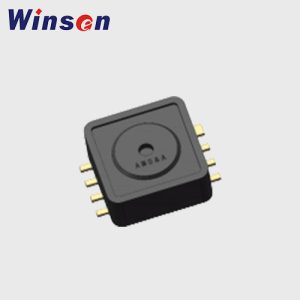
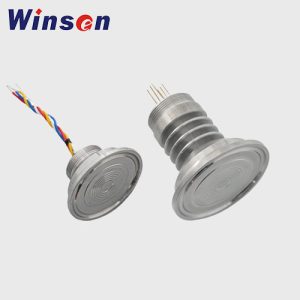
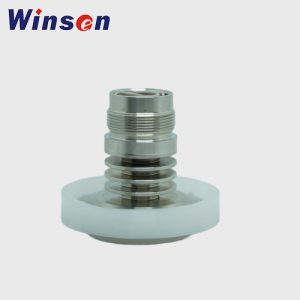
MEMS (micro-elektromechanische systemen) are miniature integrated devices or systems that combine electrical and mechanical components at the microscale. These systems can sense, control, and actuate on the micro level and generate effects on the macro level. MEMS technology integrates mechanical elements, sensors, actuators, and electronics on a common silicon substrate through microfabrication technology.

MEMS range in size from a few micrometers to a few millimeters and can be found in a wide variety of devices including smartphones, vehicles, medical equipment, and industrial sensors.

2. What Is MEMS Technology?

MEMS refers to a class of devices built using microfabrication techniques that contain both mechanical and electrical components. The core idea is to replicate mechanical functions—like movement, vibration, or pressure response—using structures fabricated at the micro- or nano-scale.

Key Characteristics:

  • Extremely small size (microns to millimeters)
  • High integration with electronics
  • Batch fabrication (similar to semiconductor ICs)
  • High precision and repeatability
  • Laag stroomverbruik

3. Main Components of MEMS

3.1 Microsensors

  • Detect physical parameters such as pressure, temperature, acceleration, or chemical composition.
  • Examples: MEMS accelerometers, gyroscopes, gas sensors.

3.2 Microactuators

  • Perform actions in response to signals from sensors or control electronics.
  • Examples: Microvalves, micromotors, microgrippers.

3.3 Microstructures

  • Physical elements such as gears, beams, diaphragms, cantilevers, or springs.
  • These structures interact mechanically with their surroundings or the internal environment.

3.4 Microelectronics

  • Signal conditioning, data processing, and communication.
  • Integrated circuits (ICs) embedded or bonded with MEMS devices.

4. Working Principles of MEMS

MEMS devices work through the interaction between physical forces and microfabricated structures. Various sensing and actuation mechanisms are used, including:

4.1 Capacitive

  • Measures changes in capacitance due to displacement.
  • Common in accelerometers and pressure sensors.

4.2 Piezoelectric

  • Generates voltage when mechanically stressed.
  • Used in vibration and acoustic sensors.

4.3 Piezoresistive

  • Resistance changes with strain in the material.
  • Often used in MEMS pressure sensors.

4.4 Thermal

  • Uses heat flow or expansion to measure changes or generate movement.

4.5 Optical

  • Utilizes light reflection, diffraction, or interference in sensing.
  • Used in optical switches or chemical detection.

5. MEMS Fabrication Techniques

MEMS are typically fabricated using methods derived from semiconductor processing, such as:

5.1 Photolithography

  • Transfers patterns onto silicon wafers using UV light.

5.2 Etching

  • Nat etsen: Uses liquid chemicals to remove materials.
  • Droog etsen: Uses plasma or ions for precise etching.

5.3 Deposition

  • Thin films of materials are deposited using techniques like Chemical Vapor Deposition (CVD) or Physical Vapor Deposition (PVD).

5.4 Bulk Micromachining

  • Removes material from bulk silicon to create structures.

5.5 Surface Micromachining

  • Builds up structures layer-by-layer on the wafer surface.

5.6 LIGA Process

  • Combines Lithography, Electroplating, and Molding for high-aspect-ratio structures.

6. Common MEMS Devices and Sensors

Device TypeFunctionSollicitatie
AccelerometersMeasure accelerationMobile phones, airbags
GyroscopesDetect rotationDrones, gaming controllers
DruksensorenMeasure pressure variationsMedical devices, HVAC
MicrophonesCapture sound wavesSmartphones, voice assistants
MicrofluidicsMove or analyze small liquid samplesLab-on-a-chip
Gas SensorsDetect gases like CO₂, CH₄, NO₂Air quality monitoring
Optical SwitchesDirect light pathsOptical communication
RF MEMSControl radio frequenciesWireless communications

7. Applications of MEMS Technology

7.1 Consumer Electronics

  • MEMS accelerometers and gyroscopes enable screen rotation, gesture recognition, and step counting.
  • MEMS microphones offer compact, high-fidelity sound recording in smartphones and laptops.

7.2 Automotive Industry

  • Crash detection using MEMS accelerometers in airbags.
  • Bandendrukbewakingssystemen (TPMS).
  • Inertial Measurement Units (IMUs) for vehicle stability control.

7.3 Industrial Automation

  • Vibration and tilt sensors for machine monitoring.
  • Pressure sensors for fluid and gas systems.
  • Environmental sensors for factory environments.

7.4 Medische hulpmiddelen

  • Lab-on-a-chip for diagnostics and drug delivery.
  • MEMS pressure sensors in catheters.
  • Implantable biosensors for glucose monitoring.

7.5 Lucht- en ruimtevaart en defensie

  • Navigation systems for drones and satellites.
  • Microthrusters and pressure transducers.
  • Structural health monitoring.

7.6 Telecommunications

  • RF MEMS switches in high-frequency applications.
  • MEMS tunable capacitors and filters.

8. Advantages of MEMS

  • Miniaturisatie: Enables smaller and lighter devices.
  • Batchfabricage: Cost-effective mass production.
  • Laag stroomverbruik: Ideal for battery-powered systems.
  • High Sensitivity and Precision: Accurate sensing at micro and nano levels.
  • Integration with Electronics: Seamless fusion with ICs and signal processing.
  • Reliability: Long operational life with minimal mechanical wear.

9. Challenges and Limitations

  • Complex Design and Simulation: MEMS behavior at micro scales is affected by factors like stiction, surface tension, and quantum effects.
  • Packaging and Integration: Protecting fragile components and connecting to the macro world can be complex.
  • Environmental Sensitivity: Can be affected by humidity, temperature, and contaminants.
  • Testing and Calibration: Requires high-precision instrumentation.

10. MEMS vs NEMS (Nano-Electro-Mechanical Systems)

FunctieMemsNEMS
ScaleMicrometerNanometer
FabricationPhotolithography, etchingAdvanced nano-lithography
ToepassingenWidely commercializedEmerging fields (quantum, biosensing)
ComplexiteitGematigdHoog

11. The Future of MEMS

The MEMS industry is projected to continue growing with innovations such as:

11.1 MEMS in IoT

  • Integration with wireless modules for smart homes,, industrial monitoring, En draagbare apparaten.

11.2 Flexible and Stretchable MEMS

  • For integration into fabrics, wearables, or medical implants.

11.3 AI + MEMS

  • On-sensor data processing and intelligent decision-making using embedded machine learning.

11.4 BioMEMS

  • MEMS designed for biological applications such as cell manipulation, DNA analysis, and drug delivery.

11.5 MEMS Energy Harvesting

  • Powering microdevices using ambient vibration, heat, or light.

12. Frequently Asked Questions (FAQ)

Q1: Are MEMS sensors expensive?

Not necessarily. Due to batch fabrication, MEMS devices are cost-effective, especially in high-volume production.

Q2: Can MEMS be used in harsh environments?

Yes, many MEMS are designed for high-temperature, vibration, En chemical exposure, especially in automotive and industrial sectors.

Q3: What materials are used in MEMS?

Primarily silicon, but also polymers,, glass,, metalen, En ceramics, depending on the application.

Q4: How small can MEMS devices get?

Features can be as small as a few micrometers, and entire devices can fit within a 1 mm × 1 mm area.

Q5: What is the difference between MEMS and ICs?

Mems include mechanical structures (like moving parts), whereas ICs are purely electrical circuits.

13. Conclusie

MEMS technology has become a cornerstone of modern electronics, seamlessly integrating mechanical and electrical functions at an unprecedented scale. From smartphones and vehicles to satellites and medical devices, MEMS are transforming the way we interact with technology. With continuous advancements in fabrication, materials, and AI integration, MEMS will play a vital role in shaping the future of smart systems En connected environments.

Laat een reactie achter

Uw e-mailadres wordt niet gepubliceerd. Verplichte velden zijn gemarkeerd *