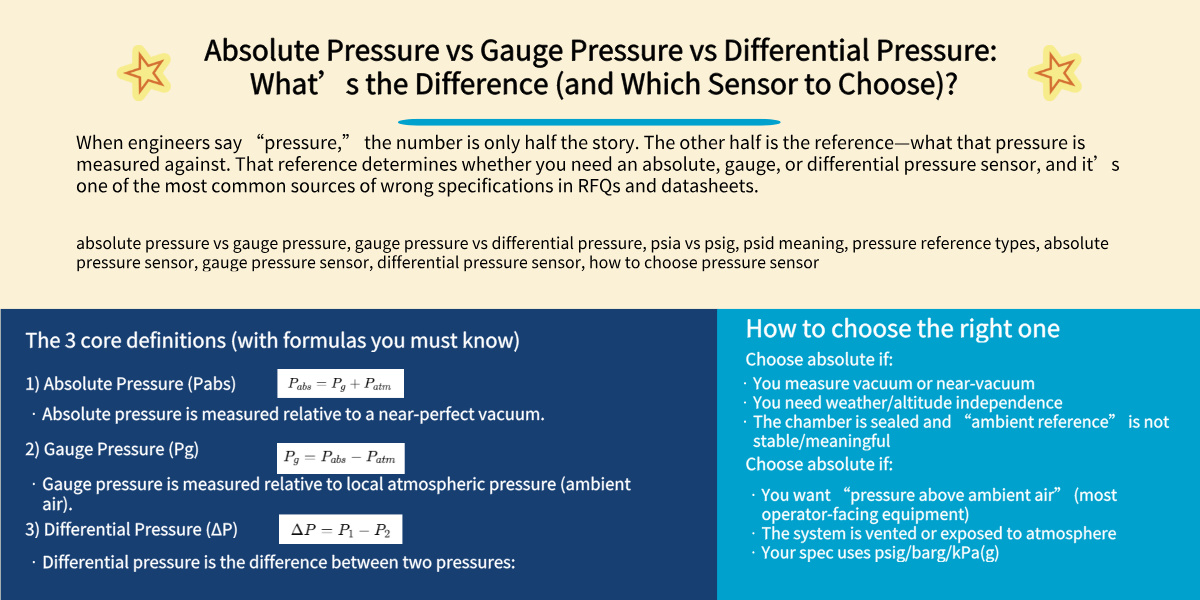
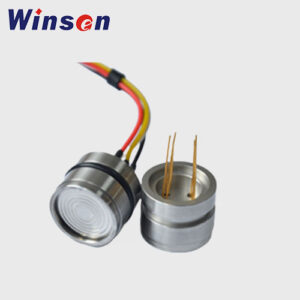
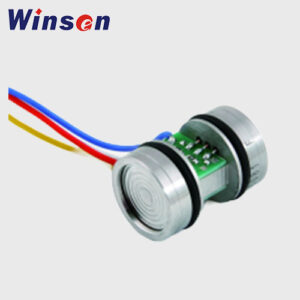
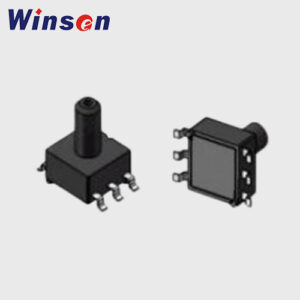
When engineers say “pressure,” the number is only half the story. The other half is the 参照—what that pressure is measured against. That reference determines whether you need an 絶対ゲージ、 または 微分 pressure sensor, and it’s one of the most common sources of wrong specifications in RFQs and datasheets.

Quick comparison

圧力式 What it measures “Zero” reference 共通ラベル Typical applications
絶対圧力 (パブス) Pressure relative to vacuum Vacuum (0 absolute) kPa(a)、bar(a)、 プシア Vacuum systems, sealed chambers, barometric/altitude compensation
ゲージ圧力 (ページ) Pressure relative to ambient atmosphere 局所的な大気圧 kPa(g)、bar(g)、 psig Pumps, compressors, tires, open tanks, most industrial lines
差圧 (ΔP) Difference between two points P1 minus P2 Pa DP、kPa ΔP、 psid Filters (pressure drop), HVAC ducts, flow elements (orifice/venturi), cleanrooms

The 3 core definitions (with formulas you must know)

1) Absolute Pressure (Pabs)

絶対圧力 is measured relative to a near-perfect vacuum.
  • Vacuum = 0 on an absolute scale
  • Atmospheric pressure is about 101.325 kPa(a) at sea level (it changes with weather/altitude)
Formula relationship

p腹筋s=pg+pあるtm

Use absolute pressure when:
  • You care about true physical pressure independent of weather/altitude
  • You are measuring 空の or near-vacuum
  • You have sealed/closed systems where “ambient reference” is meaningless or variable
Real examples
  • Vacuum chamber: “30 kPa(a)” is unambiguous; “-71 kPa(g)” is easy to misread.
  • Refrigeration / boiling / cavitation calculations: absolute pressure is often the correct input.
  • Barometric pressure and altitude: needs absolute reference.
Common spec mistake
  • Buying a gauge sensor for a sealed vessel and then being surprised the reading shifts with weather. Gauge follows Patm

2) Gauge Pressure (Pg)

ゲージ圧力 is measured relative to local atmospheric pressure (ambient air).

  • If a gauge sensor is open to air, it reads ~0
  • Gauge pressure answers: “How much above (or below) atmospheric is it?”

Formula relationship

pg=p腹筋s - - pあるtm

Use gauge pressure when:

  • Your system is exposed to ambient (or you want relative-to-ambient readings)
  • Operators think in “pressure above atmospheric” (most industrial contexts)

Real examples

  • Tire pressure: 35 psig means 35 psi above atmosphere.
  • Air compressor: “8 bar(g)” is the pressure above ambient in the line.
  • Open water tank with a pressure tap near the bottom: gauge is often acceptable because the tank is vented.

Important note: gauge can be negative
When a system is below atmospheric (vacuum relative to air), gauge pressure becomes negative (e.g., -20 kPa(g)).

3) Differential Pressure (ΔP)

差圧 is the difference between two pressures:

dp=p1 - - p2

A differential pressure sensor has two ports (high and low). It directly outputs the pressure drop or pressure difference you care about—without needing you to subtract two separate sensors.

Use differential pressure when:

  • You care about pressure drop (filters, ducts, heat exchangers)
  • You need a stable “difference” measurement even when both sides drift together
  • You measure flow with restrictions (orifice/venturi/pitot-style arrangements)

Real examples

  • Filter monitoring: ΔP increases as the filter clogs.
  • Cleanroom: maintain a slight positive ΔP to prevent contaminant ingress.
  • Flow measurement: ΔP across an orifice plate relates to flow rate (application-specific).

Common installation mistake

  • Swapping high/low ports → negative readings or confusing sign. Always label tubing.

How to choose the right one

選ぶ 絶対 if:

  • You measure vacuum or near-vacuum
  • You need weather/altitude independence
  • The chamber is sealed and “ambient reference” is not stable/meaningful

選ぶ ゲージ if:

  • You want “pressure above ambient air” (most operator-facing equipment)
  • The system is vented or exposed to atmosphere
  • Your spec uses psig/barg/kPa(g)

選ぶ 微分 if:

  • You want pressure drop across a component (filter, coil, valve, orifice)
  • You need room/duct differential control
  • You need P1–P2 directly (two ports, one sensor)

Sensor selection checklist

When you publish or source a pressure sensor, specify all of these

  1. 圧力式: アブソリュート / ゲージ / ディファレンシャル
  2. 範囲: e.g., 0–10 bar(g), -100–0 kPa(g), 0–5 kPa ΔP, 0–200 kPa(a)
  3. Overpressure / burst ratings (especially for DP sensors)
  4. メディア: air, water, oil, refrigerant, corrosive gas, etc.
  5. Port / mechanical interface: thread, barb, manifold, face seal
  6. 出力: 4–20 mA, 0–10 V, ratiometric, I²C/SPI/UART
  7. Accuracy definition: %FS, %reading, including temperature effects
  8. Operating temperature + compensation range
  9. Environmental protection: ingress, condensation, vibration

Practical tip: Always write the reference into the unit:

  • kPa(a), kPa(g), Pa ΔP
  • psia, psig, psid

That single letter prevents misunderstandings.

よくある質問

Is psig a unit?

No. psi is the unit. psig means “psi gauge” (relative to atmosphere). プシア means “psi absolute.”

Do I need absolute pressure for vacuum?

If you want unambiguous vacuum readings, yes, absolute is usually the cleanest way to specify vacuum level.

Can gauge pressure be negative?

Yes. Negative gauge pressure indicates pressure below atmosphere (vacuum relative to ambient).

Is differential pressure the same as gauge pressure?

No. Gauge is referenced to atmosphere (one reference). Differential compares two system points (two ports).

Why do gauge readings change with weather?

Because gauge uses atmospheric pressure as its reference. If Patm changes, the relationship between gauge and absolute shifts too.

返信を残してください

メールアドレスは公開されません。 必要なフィールドにマークが付けられています *