
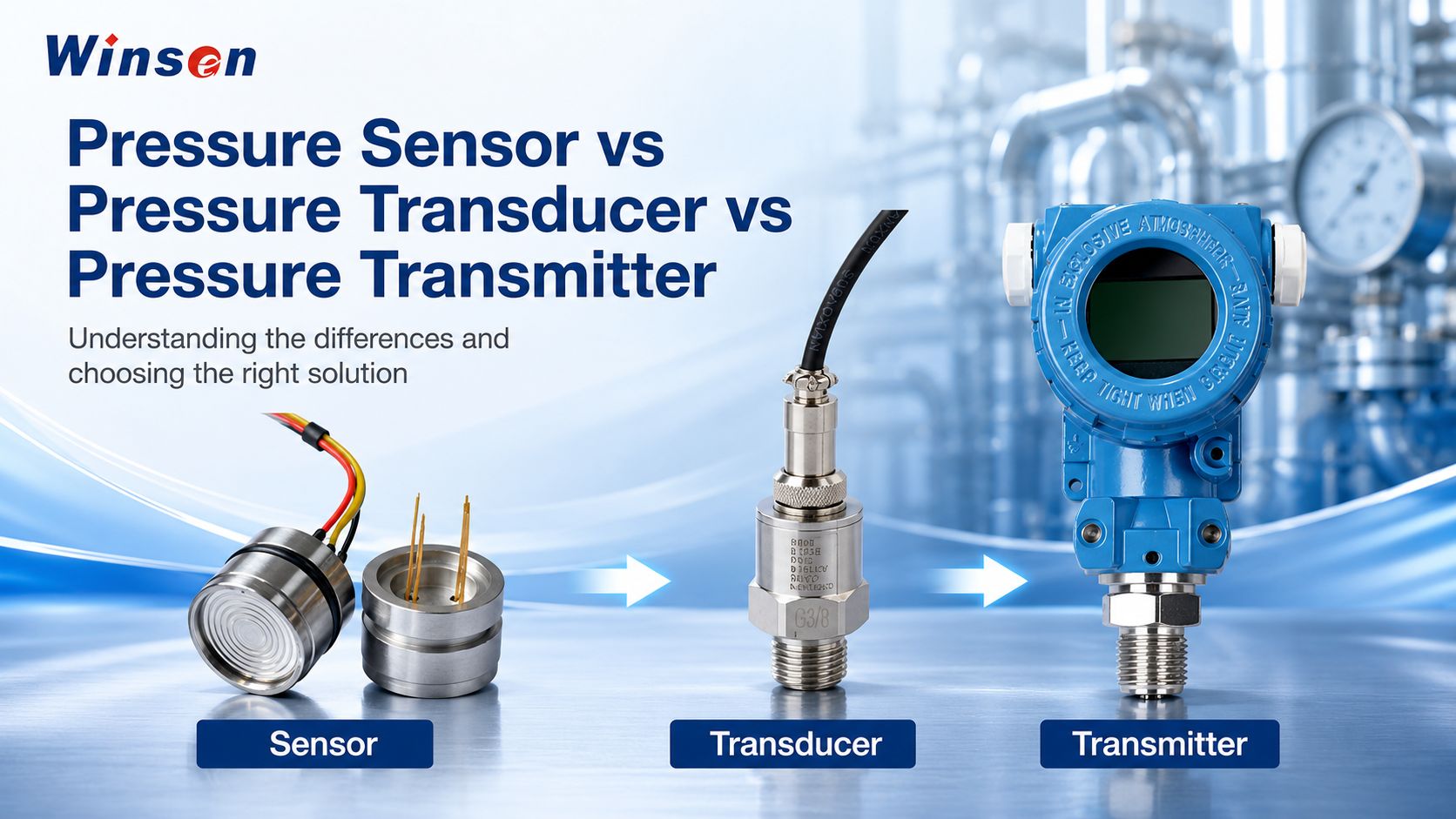
Dalam proyek OEM sebenarnya, masalah pengukuran tekanan sering kali disebabkan oleh memilih tingkat integrasi yang salah, bukan oleh chip penginderaan itu sendiri. “Sensor”, “transduser”, dan “pemancar” sering kali digabungkan dalam RFQ, namun keduanya menyiratkan tanggung jawab teknik yang berbeda: pengkondisian sinyal, kompensasi suhu, enclosure/IP, ketahanan EMC, dan kabel lapangan.
Artikel ini menjelaskan perbedaan praktis dan menunjukkan cara mencocokkan persyaratan dengan model Winsen menggunakan daftar produk tekanan terbaru kami.
1) Permasalahan industri yang membuat seleksi gagal
Masalah A: “Bekerja di bangku cadangan, gagal di lapangan”
Penyebab utama yang umum adalah kabel yang panjang, masalah EMI/arde, masuknya uap air, dan siklus suhu. Jika sistem Anda terhubung ke PLC/pengkabelan jarak jauh, elemen mentah biasanya tidak cukup—pilih modul yang dikondisikan atau pemancar yang siap digunakan di lapangan.
Masalah B: Korosi, media kotor, penyumbatan
Jika media bersifat korosif atau mengandung partikel, Anda biasanya memerlukan struktur isolasi (film isolasi berisi minyak atau diafragma siram) untuk melindungi elemen penginderaan dan mengurangi pertumbuhan penyimpangan/histeresis.
Masalah C: Kecepatan integrasi vs optimasi BOM
OEM:
- integrate a core sensor (lowest BOM, but you own analog & calibration), or
- pilih modul/pemancar (integrasi lebih cepat, konsistensi produksi lebih tinggi).
2) Definisi yang jelas
2.1 Sensor Tekanan
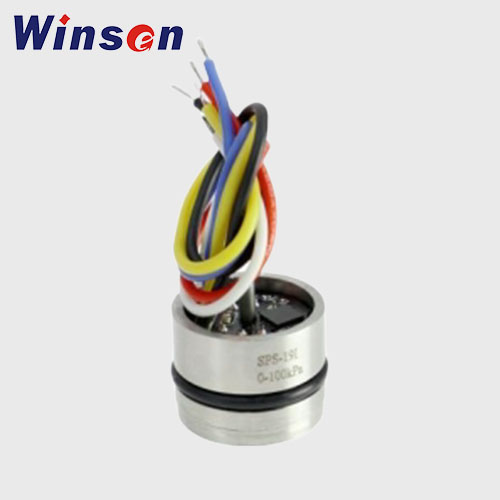
A sensor tekanan biasanya mengacu pada elemen peka tekanan (atau rakitan inti) yang mengubah tekanan menjadi sinyal listrik—seringkali keluaran jembatan mV/V atau analog tingkat rendah yang memerlukan strategi amplifikasi dan kompensasi Anda sendiri.
Waktu terbaik
- Anda memiliki elektronik dan kalibrasi
- Anda memerlukan pengemasan mekanis khusus atau kontrol BOM yang ketat
Contoh Winsen (level sensor/inti)
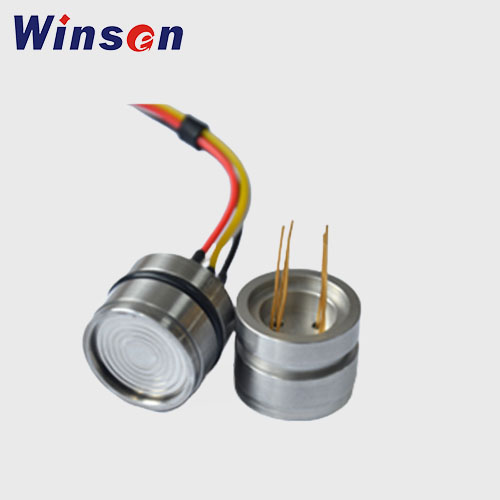
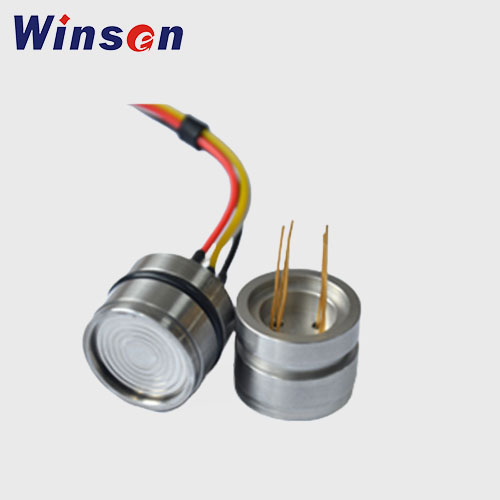
- Sensor Tekanan Keramik WPAH01 (inti) – film sensitif keramik piezoresistif, kalibrasi laser untuk skala nol/penuh, Ø18×6,35 mm, 2–400 batang, -40 hingga 125°C, diafragma keramik.
- Sensor Tekanan Keramik WPAH31 (inti) – diafragma keramik dengan pemangkasan laser, termasuk rentang 2/5/10/20/40/50/100 batang (opsional); spesifikasi sensitivitas dan stabilitas tipikal tercantum, dan 2× dinilai kelebihan beban dijelaskan.
- Sensor Tekanan Film Isolasi WPAK63 (inti) – Diafragma/housing 316L, isi minyak silikon, indeks guncangan/getaran dan siklus hidup terdaftar (struktur isolasi berisi minyak).
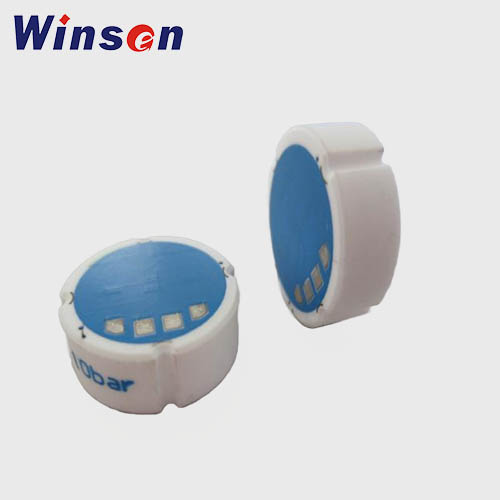
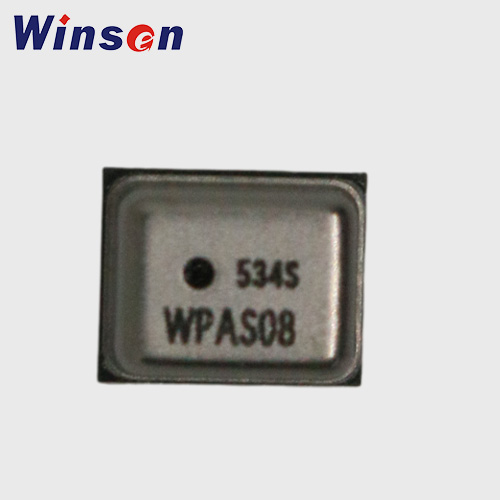
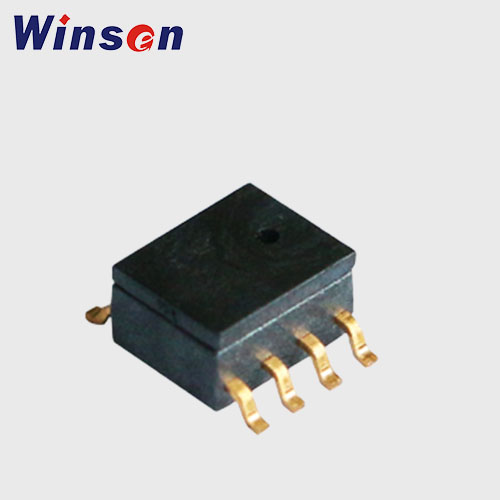
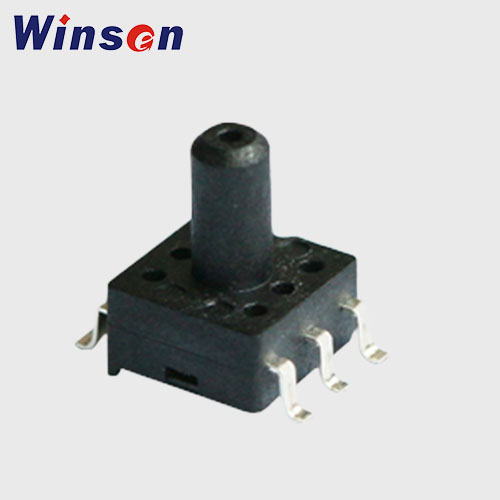
- Sensor Tekanan Paket Plastik WPAS01 (inti) – MEMS, SOP8, respons ≤1 ms, rentang tekanan luas terdaftar hingga 1,7 MPa, -40 hingga 125°C, parameter keluaran tipikal dalam mV.
- Sensor Tekanan Paket Plastik WPAS02 (inti) – MEMS, SOP6, respons ≤1 ms, rentang tekanan tercantum dari vakum/kPa rendah hingga 200 kPa, -40 hingga 125°C.
2.2 Transduser Tekanan (perangkat konversi yang dikemas untuk integrasi OEM)
Dalam banyak spesifikasi OEM, “transduser tekanan” biasanya berarti perangkat yang dikemas yang mengeluarkan sinyal yang lebih berguna daripada jembatan mentah—seringkali keluaran tegangan standar—untuk mengurangi beban kerja analog Anda.
Waktu terbaik
- Anda ingin integrasi yang lebih cepat ke dalam sistem MCU/ADC tanpa membangun rantai analog penuh dari mV/V
Contoh Winsen (tingkat modul/transduser)
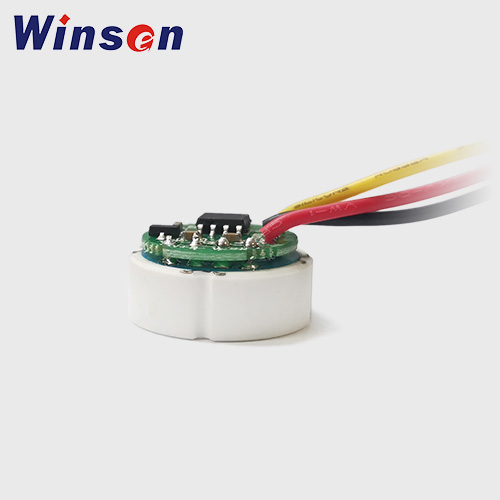
- Modul Sensor Tekanan Keramik WPBH01 – Ø18×11,8 mm, jangkauan 2–400 batang, pasokan 5 V, keluaran 00,5–4,5V (standar), beberapa tingkat akurasi, opsi suhu kompensasi terdaftar.
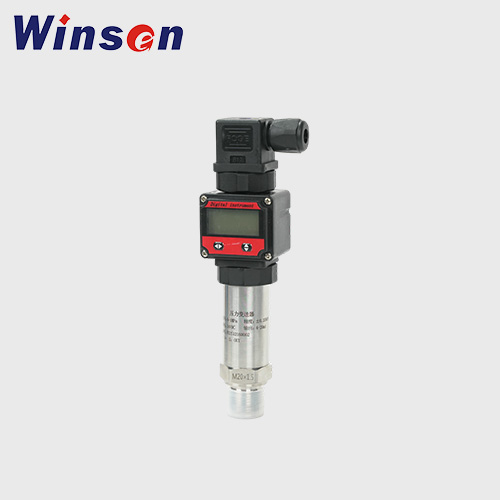
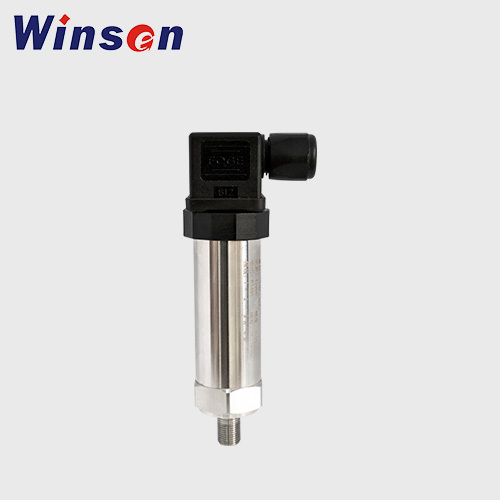
2.3 Pemancar Tekanan (tingkat instrumentasi siap lapangan)
A pemancar tekanan adalah perangkat lengkap yang mencakup amplifikasi + kompensasi suhu + kemasan industri, dan memberikan keluaran terstandar yang sesuai untuk perkabelan peralatan nyata (misalnya, 4–20mA, tegangan, atau bus digital).
Waktu terbaik
- Anda terhubung ke PLC/DCS/SCADA atau kabel panjang
- Anda memerlukan keluaran yang konsisten di seluruh lingkungan dan produksi
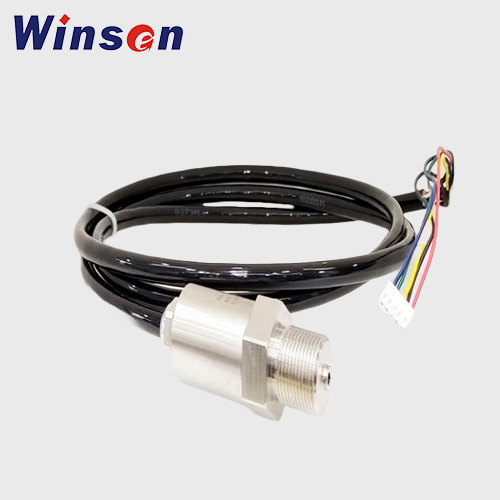
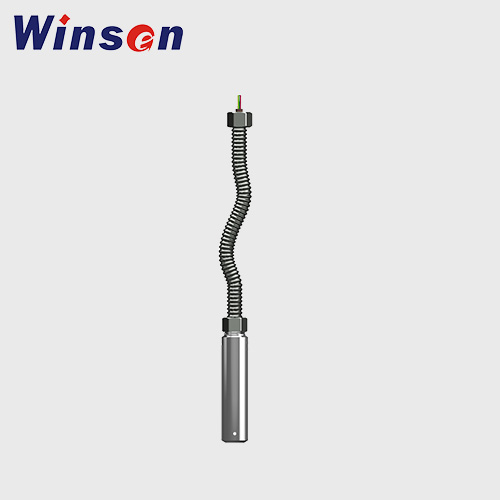
Contoh Winsen (pemancar tekanan)
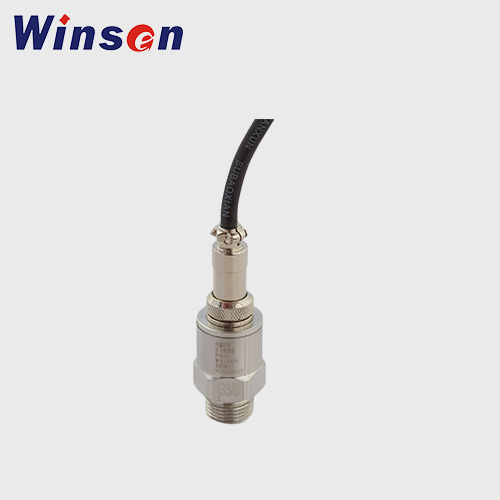
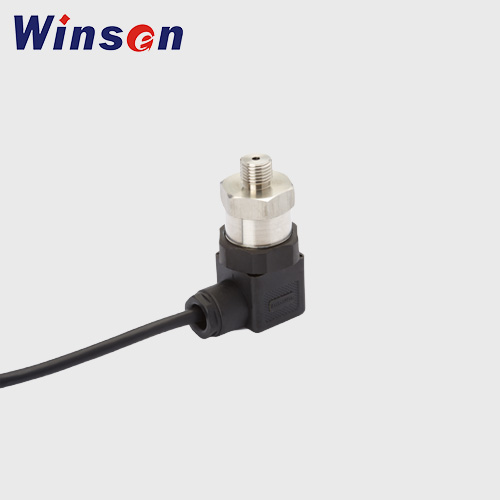
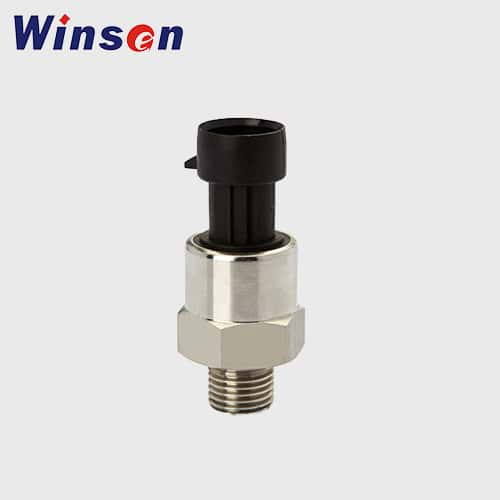
- Pemancar Tekanan Keramik WPCH01 – sinyal keluaran terdaftar sebagai Arus / Tegangan / I²C (dapat disesuaikan), banyak koneksi, IP67, target kelebihan beban dan stabilitas tercantum.
- Pemancar Tekanan Keramik WPCH04 – jangkauan deteksi terdaftar hingga 40 MPa, keluaran 4–20 mA / 0–5 V / 0,5–4,5 V (dapat disesuaikan), beberapa koneksi mekanis, respons cepat, fitur anti-interferensi, dan konsistensi terdaftar.
- WPCK03 Pemancar Tekanan Silikon Tersebar (digital) – keluaran saya²C, referensi tekanan Gauge / Absolute / Segited Gauge, rentang tekanan luas terdaftar hingga 100 MPa, arus rendah, housing/diafragma 316L terdaftar.
- WPCK07 Pemancar Tekanan Silikon Tersebar (RS485) – digambarkan menggunakan sirkuit dan penyediaan yang berpusat pada mikroprosesor RS485 keluaran komunikasi untuk debugging dan kalibrasi digital.
- Pemancar Tekanan Keluaran Digital WPCK89 – dijelaskan dengan Bus IIC hingga 400K, Tingkat pengumpulan 50 sampel/detik, daya rendah dan anti-interferensi yang kuat, perlindungan multi-level.
3) Winsen “tangga integrasi” (logika pemilihan cepat)
Pilih tingkat integrasi terlebih dahulu—lalu pilih teknologi dan struktur:
Sensor inti (mV/V atau level rendah) → terbaik untuk OEM dengan analog + kalibrasinya sendiri
- WPAH01 / WPAH31 / WPAK63 / WPAS01 / WPAS02
Modul/transduser (modul keluaran tegangan) → integrasi MCU tercepat
- WPBH01 (0,5–4,5V)
Pemancar (kabel industri + kompensasi + IP) → terbaik untuk aplikasi lapangan
- WPCH01 / WPCH04 / WPCK03 / WPCK07 / WPCK89
4) Daftar periksa persyaratan (salin/tempel untuk OEM RFQ)
4.1 Definisi tekanan (hindari kesalahan #1)
- Referensi tekanan: Pengukur / Pengukur Absolut / Diferensial / Tersegel (PSIS)
- Rentang kerja + puncak (ekspektasi bukti/ledakan)
- Persyaratan waktu respons (loop kontrol vs pemantauan)
Bacaan Nyata: Tekanan Absolut vs. Tekanan Pengukur vs. Tekanan Diferensial
4.2 Output & system architecture
- inti mV/V vs modul tegangan vs Pemancar 4–20 mA / tegangan / I²C / RS485
- Tegangan suplai, panjang kabel, lingkungan EMC
4.3 Media + antarmuka mekanis
- Gas kering vs cairan; korosif vs non-korosif
- Butuh film isolasi / diafragma siram?
- Koneksi: G, NPT, M20×1.5, dll. (Seri WPCH mencantumkan beberapa opsi)
4.4 Model akurasi
- %FS / %pembacaan, rentang suhu terkompensasi
- Histeresis/pengulangan, penyimpangan jangka panjang
5) Pencocokan produk berdasarkan aplikasi (rekomendasi Winsen)
A) Tekanan diferensial mikro (filter HVAC, aliran udara, ruang bersih)
- WPAS13 Sensor Tekanan Diferensial Mikro Digital – kisaran tekanan operasi -500 hingga +500 Pa, suplai 1,8–3,6 V, resolusi 20-bit, arus pengoperasian rendah terdaftar (pada 1 Hz).
B) Media yang keras/korosif dan stabilitas jangka panjang
- Pendekatan inti keramik: WPAH01 / WPAH31 (diafragma keramik, kelebihan beban dan ketahanan korosi dijelaskan)
- Pendekatan film isolasi (diperlukan isolasi media): Wpak63 (316L + isi minyak silikon)
C) Antarmuka proses yang membutuhkan struktur diafragma rata
- Sensor Tekanan Diafragma Siram WPAK77 dengan Penjepit – rentang deteksi terdaftar 0–10 kPa … 6 MPa.
D) Pompa / kompresor / air pintar / kontrol tekanan industri umum
- Pemancar keramik siap pakai: WPCH01 (Target Arus/Tegangan/I²C, IP67, stabilitas dan kelebihan beban tercantum)
- Kisaran lebih tinggi + beberapa keluaran standar: WPCH04 (4–20 mA / 0–5 V / 0,5–4,5 V)
E) Sistem OEM digital (antarmuka bus + anti-interferensi)
- WPCK03 (I²C + pengukur/pengukur absolut/tersegel)
- Wpck89 (IIC bus 400K, 50 sampel/detik, daya rendah, anti-interferensi)
- Wpck07 (Output RS485 untuk debugging/kalibrasi digital)
F) Integrasi OEM/kompak yang sensitif terhadap biaya
- WPAS12 – keluaran analog terintegrasi; tegangan keluaran sebanding dengan suplai; rentang keluaran analog 0.18–4.65V lebih 15–115 kPa mutlak dijelaskan.
- WPAS01 / WPAS02 – paket plastik inti MEMS untuk perakitan modul (parameter keluaran level mV tercantum).
7) FAQ Cepat
Apakah transduser tekanan sama dengan pemancar tekanan?
Di pasaran, “transduser” sering digunakan secara longgar. Untuk seleksi teknik, a pemancar biasanya merupakan perangkat siap pakai dengan keluaran terstandar dan perlindungan enklosur, sedangkan a modul/transduser seringkali merupakan langkah integrasi tingkat menengah (misalnya, modul tegangan tanpa cangkang pemancar).
Kapan saya harus memilih 4–20 mA?
Pilih 4–20 mA bila Anda memerlukan kabel industri yang kuat, kabel yang lebih panjang, dan kekebalan kebisingan yang lebih kuat (WPCH04 mencantumkan 4–20 mA sebagai opsi output).
Kapan saya harus memilih alat ukur tersegel (PSIS)?
Bila lingkungan referensi Anda disegel (tidak dibuang ke atmosfer saat ini), tentukan pengukur yang disegel untuk menghindari kesalahan referensi. daftar WPCK03 Gauge / Absolute / Segited Gauge referensi.
