
Under the global energy transition, battery energy storage systems are moving from demonstration projects to large-scale grid infrastructure. In China alone, installed new-type energy storage capacity reached 136 GW / 351 GWh by the end of 2025, up 84% from the end of 2024, according to the National Energy Administration.
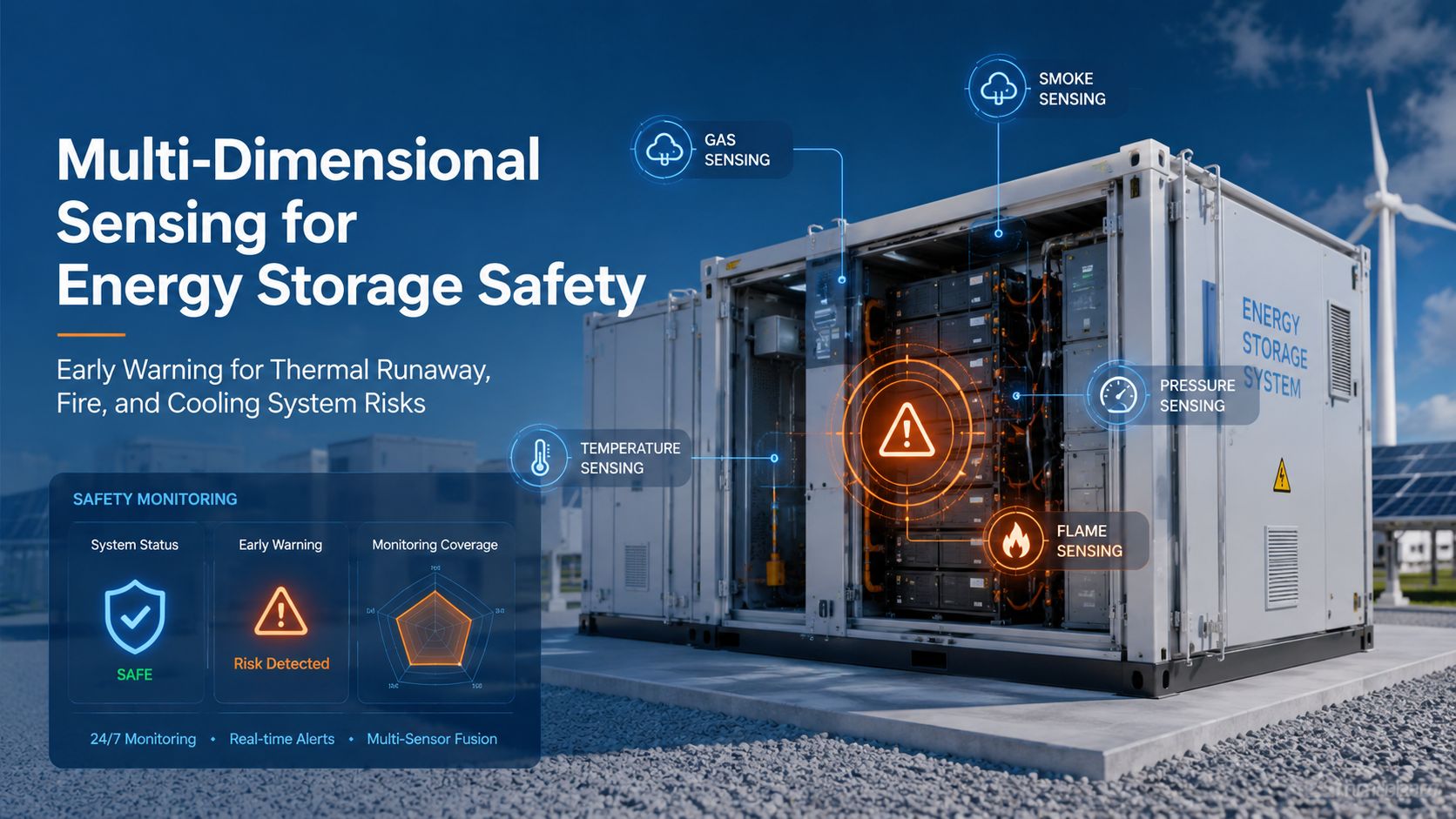
As energy storage scales up, safety becomes the foundation of sustainable growth. A single battery cabinet or container may contain thousands of cells. Once thermal runaway begins, heat, gas, pressure, smoke, and flame can evolve rapidly and interact with each other. Therefore, energy storage safety can no longer rely on a single temperature sensor or traditional smoke detector alone.
The industry is entering a new stage: multi-parameter sensing, earlier warning, lower false alarm rates, and faster fire linkage response.
Standards Are Raising the Bar for Energy Storage Safety
Several important standards are reshaping the safety framework for electrochemical energy storage systems.
GB 44240—2024, the safety requirements for secondary lithium cells and batteries used in electrical energy storage systems, was published on July 24, 2024 and implemented on August 1, 2025. It is a mandatory national standard focused on battery safety requirements.
GB/T 51048—2025, the design standard for electrochemical energy storage stations, was approved as a national standard and implemented on April 1, 2026, replacing GB 51048—2014.
GB/T 46261—2025, the general technical requirements for fire monitoring and warning systems in electrochemical energy storage stations, was published on August 29, 2025 and is scheduled for implementation on September 1, 2026. The standard applies to fire detection and alarm systems and related equipment used in electrochemical energy storage systems, including fire alarm control devices and various fire detection devices.
For battery system manufacturers, ESS integrators, project owners, and fire-protection system providers, the message is clear: fire early-warning capability is becoming a core part of energy storage system design and compliance readiness.
Why Energy Storage Fire Warning Needs Multi-Dimensional Sensing
Battery thermal runaway is not a single-point event. Before visible fire appears, several physical and chemical signals may emerge:
- abnormal gas release
- temperature rise
- pressure change
- electrolyte leakage
- smoke generation
- flame radiation
Different sensors capture different stages of the risk chain. Research on lithium-ion battery thermal runaway shows that gases such as H₂, CO, CH₄, and C₂H₄ can be important detectable indicators during battery failure processes.
That is why a stronger ESS safety system should combine gas + temperature + pressure + smoke + flame data rather than depending on one indicator.
Our Energy Storage Safety Sensor Solution

We provide a multi-dimensional sensor portfolio covering key fire early-warning parameters:
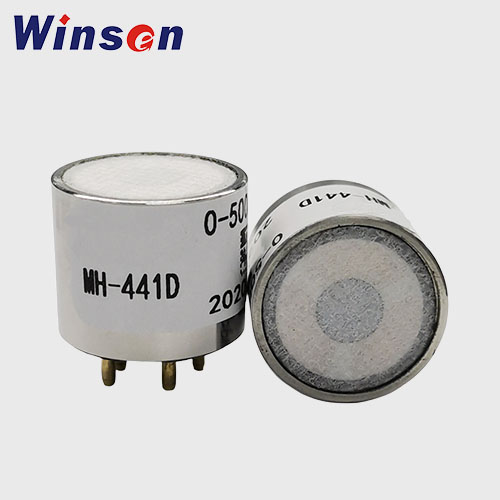
- Gas sensors: CO, H₂, CO₂, VOC, refrigerant leakage
- Pressure sensors: cell/container pressure change and mechanical abnormality monitoring
- Temperature sensors: multi-point heat detection and thermal spread tracking
- Smoke sensors: particle/smoke generation detection
- Flame sensors: fast flame radiation detection and fire linkage response
Together, these sensing layers help build a more complete early-warning architecture for energy storage stations, battery containers, battery cabinets, liquid-cooling systems, and fire linkage control systems.
1. Gas Sensors: Detect Thermal Runaway Before Visible Fire
Gas release is one of the most important early indicators in lithium battery failure. Compared with temperature rise alone, gas detection can often provide earlier warning signals, especially during electrolyte decomposition, separator damage, or early venting.
CO Sensor: Confirming Thermal Runaway Progress
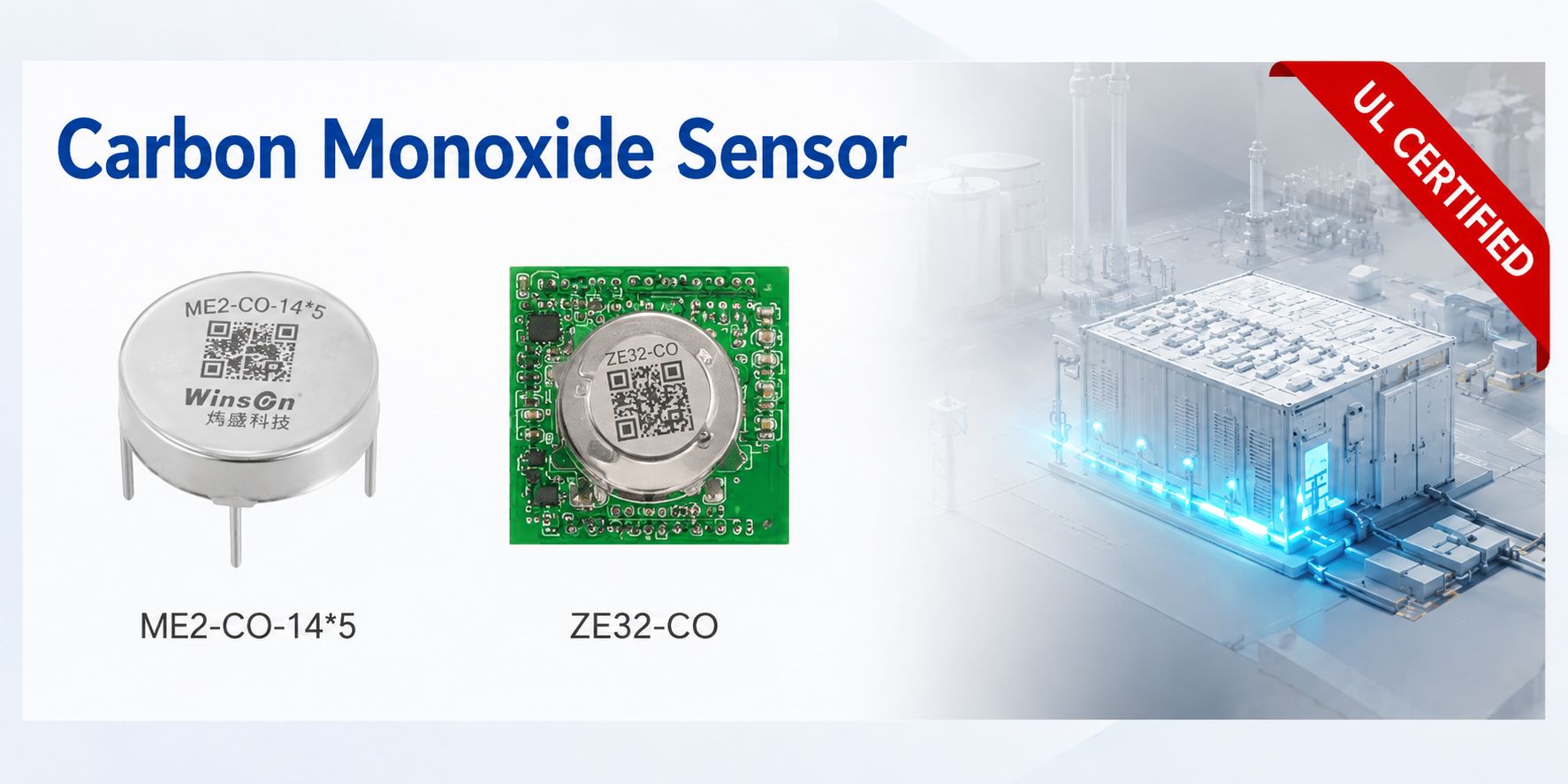
Carbon monoxide is a characteristic gas generated during electrolyte decomposition and battery thermal runaway. CO detection can help confirm whether a battery has entered a dangerous failure stage and can be used to trigger alarm escalation and fire linkage logic.
Application value:
- thermal runaway confirmation
- battery cabinet gas monitoring
- container-level alarm linkage
- fire suppression trigger support

H₂ Sensor: Extremely Early Warning Indicator
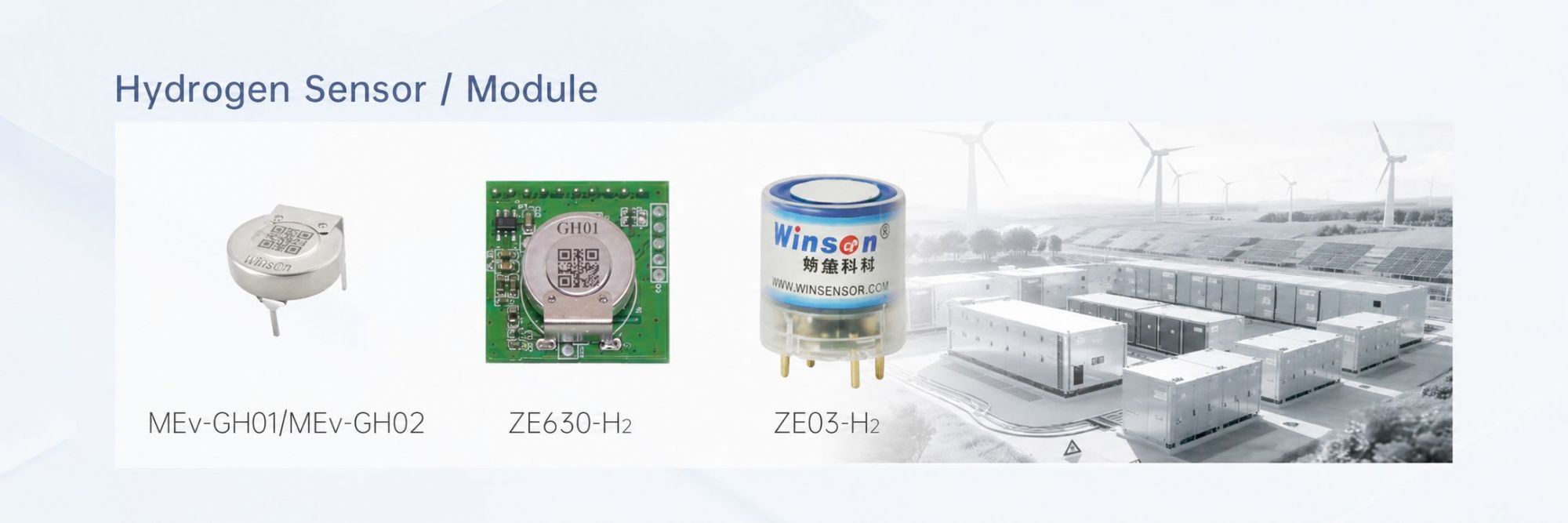
Hydrogen can be released in the early stage of battery abnormality and may appear before a sharp temperature rise. Detecting H₂ helps operators gain valuable time for emergency response.
Application value:
- early-stage thermal runaway warning
- battery module/cabinet monitoring
- ventilation and interlock control
- risk trend analysis


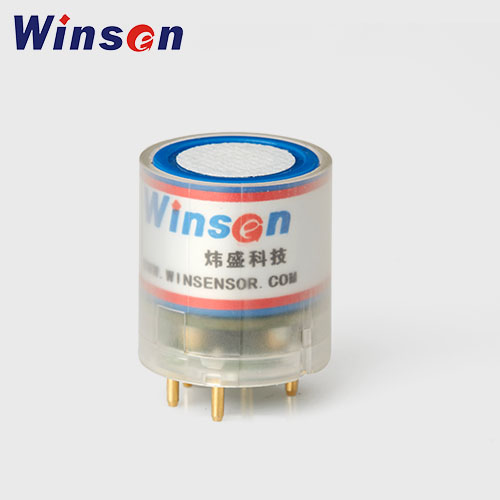
EC Hazardous Toxic Gas Detection Sensor Module ZE03
- CO,O2,NH3,H2S,NO2,O3,SO2, CL2,HF,H2,PH3,HCL, etc.
- See manual
- Read More
CO₂ Sensor: Auxiliary Indicator for Decomposition and Aging
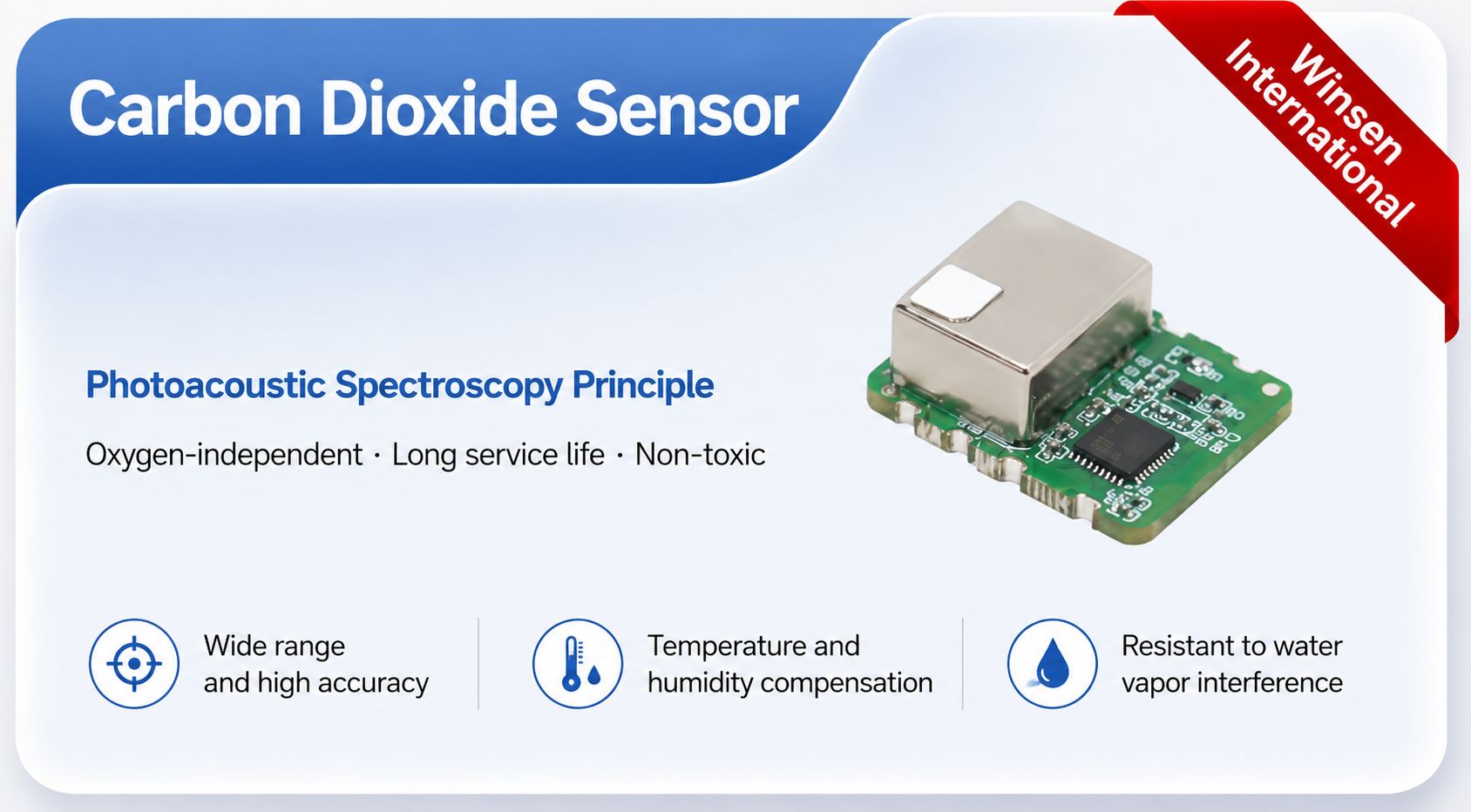
CO₂ may be generated from SEI film decomposition and side reactions inside the battery. When combined with H₂ and CO, CO₂ monitoring supports multi-gas cross-validation and helps reduce false alarms.
Application value:
- thermal runaway process assessment
- battery aging and abnormal reaction monitoring
- multi-parameter warning logic

H101-CO2-Z8S-U-40kP Photoacoustic PAS Carbon Dioxide CO2 Sensor
- Carbon Dioxide CO2
- 400 – 5000 ppm (expandable to 40000 ppm)
- Read More
VOC Sensor: Direct Signal of Electrolyte Leakage
VOCs are closely related to electrolyte leakage and evaporation. Once electrolyte leaks and mixes with air, flammable gas risk increases. VOC sensors can quickly capture this signal and support early intervention before fire develops.
Application value:
- electrolyte leakage detection
- flammable vapor warning
- cabinet and container air monitoring
- safety inspection and predictive maintenance
Refrigerant Leak Sensor: Protecting Thermal Management Systems
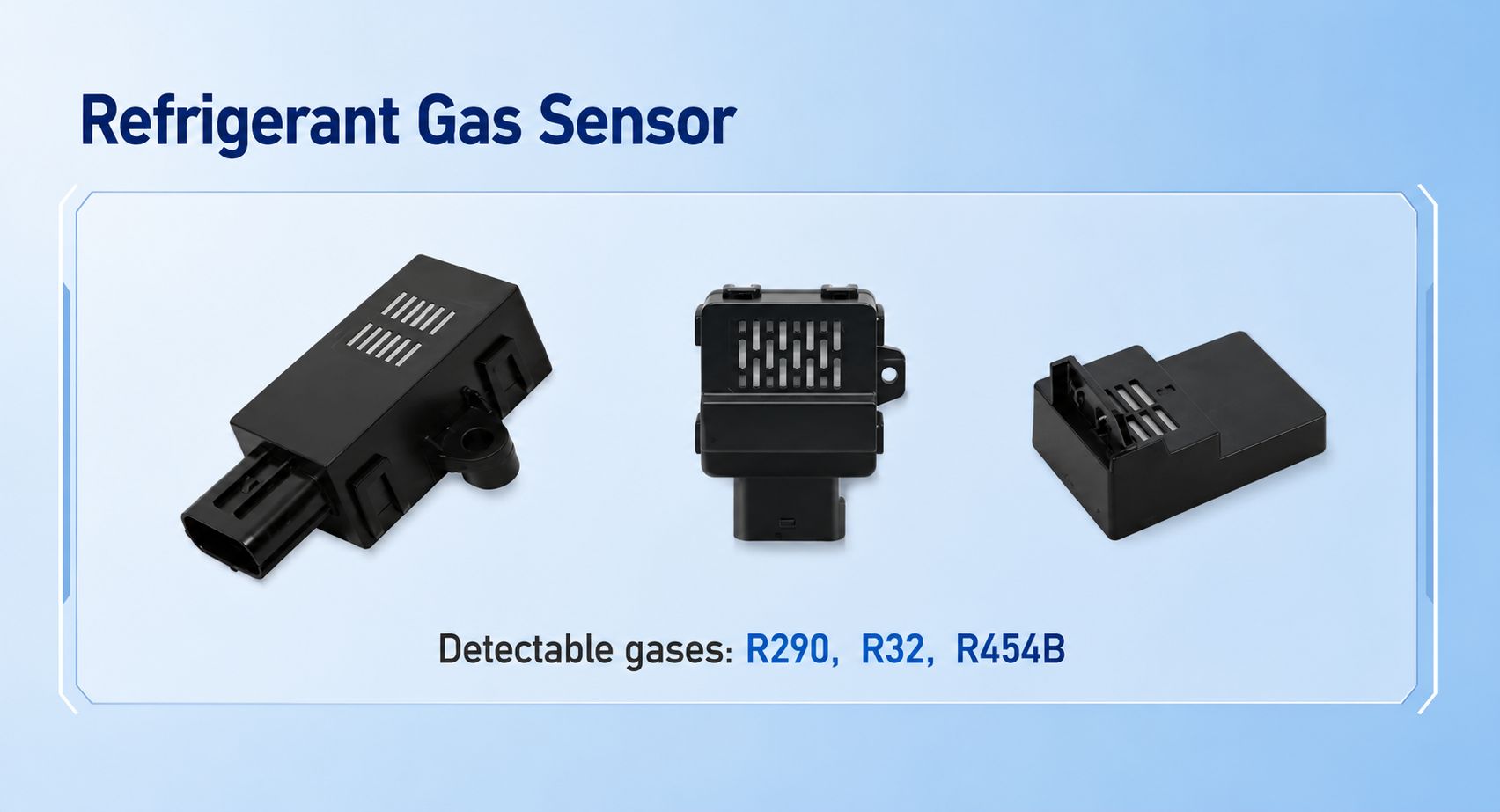
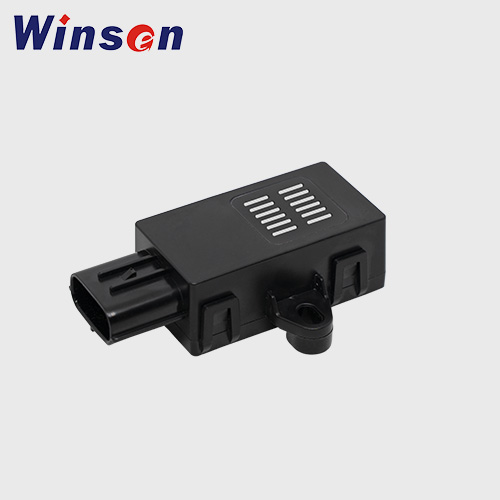
In energy storage systems, air conditioning and liquid-cooling units play a critical role in preventing localized heat accumulation. Refrigerant leakage can reduce cooling efficiency and increase the probability of thermal stress.
Application value:
- ESS HVAC refrigerant leakage detection
- liquid-cooling / thermal management safety
- prevention of local heat accumulation
- maintenance warning for cooling systems

2. Pressure Sensors: Mechanical Warning for Cell Expansion and Venting
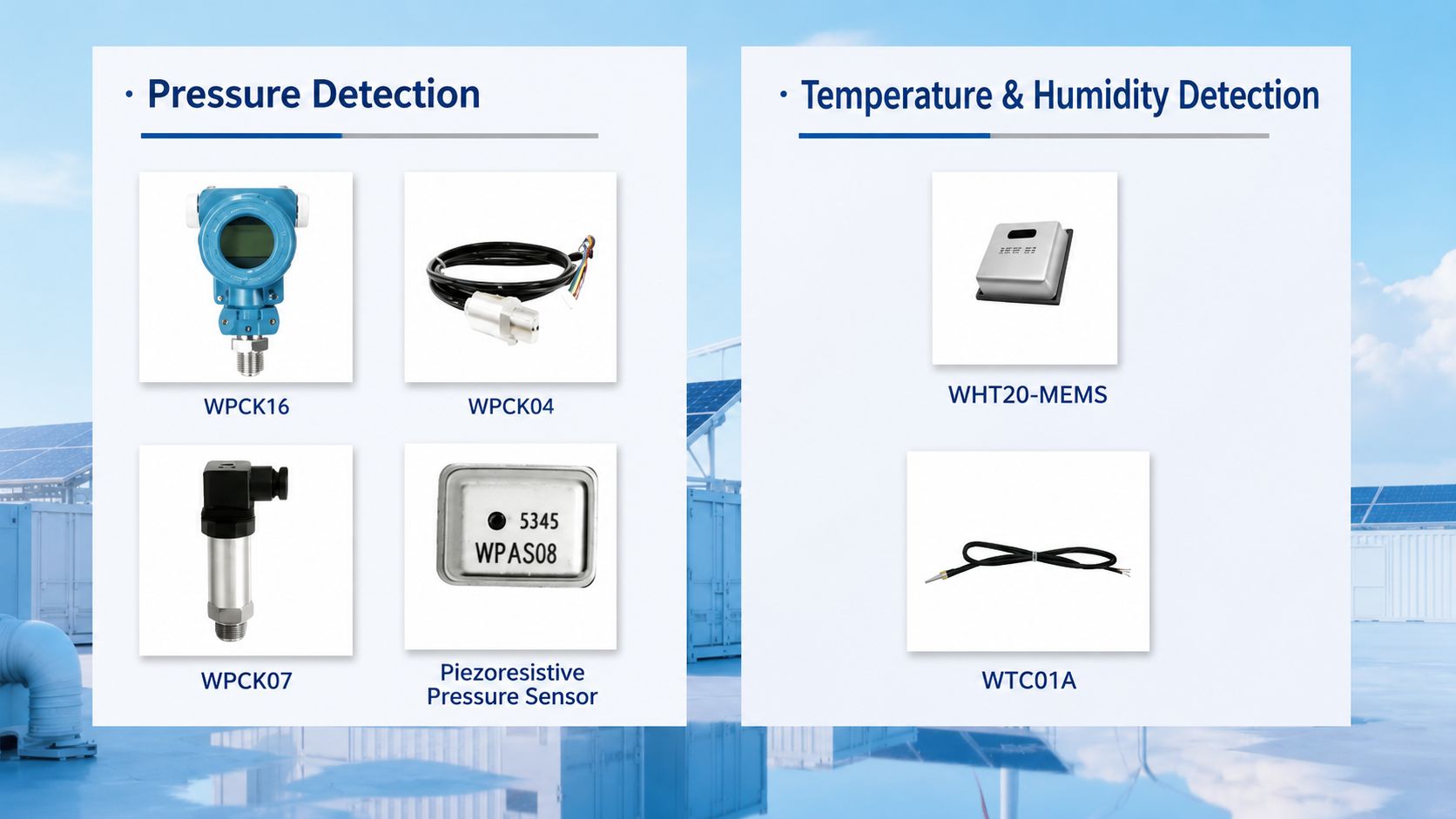
During overcharge, internal short circuit, or early thermal runaway, a battery may generate gas rapidly, causing pressure changes. Pressure sensing provides a mechanical safety dimension that complements gas and temperature monitoring.
Pressure sensors can help detect:
- abnormal swelling
- pressure surge inside battery modules
- container pressure changes
- vent valve opening signals
- abnormal pressure behavior in sealed spaces
Why it matters:
Gas sensors tell us “what is being released.” Temperature sensors tell us “where heat is rising.” Pressure sensors help tell us “whether internal mechanical stress is changing.”
This makes pressure monitoring a valuable redundancy layer in ESS early-warning systems.
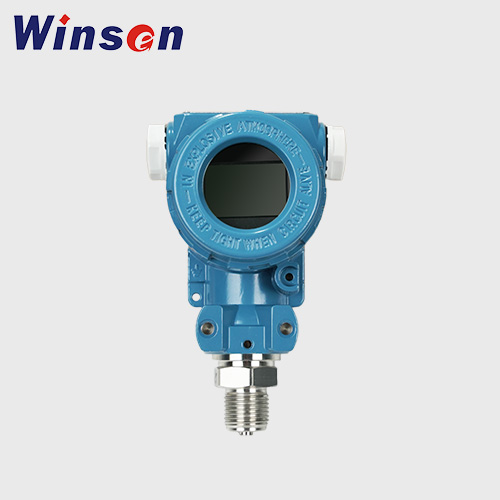
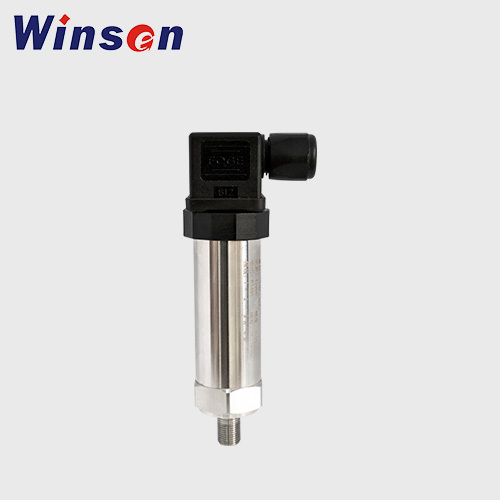
WPCK16 Diffussed Silicon Pressure Transmitter
- Gauge Pressure/Absolute Pressure/ Sealed Gauge Pressure
- -100kPa~0~10kPa…100MPa
- Read More
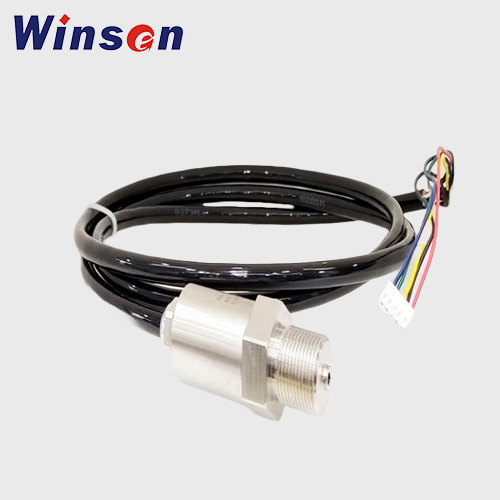

3. Temperature Sensors: The Most Direct Safety Indicator
Temperature remains one of the most mature and intuitive safety indicators in energy storage systems.
Abnormal temperature rise may come from:
- internal short circuit
- overcurrent
- poor electrical connection
- local heat accumulation
- thermal runaway propagation
By deploying multi-point temperature monitoring, system operators can locate hotspots, evaluate thermal spread, and judge whether the risk is local or developing across modules/cabinets.
When temperature data is fused with gas and pressure data, the system can improve alarm accuracy and reduce false triggering.
4. Smoke Sensors: Detecting Combustion Particles and Fire Precursors
Smoke detection is still an essential layer in ESS fire protection. When decomposition or combustion produces particles, smoke sensors can help identify abnormal events and support alarm escalation.
Smoke sensors are especially useful when combined with:
- gas sensors for early warning
- temperature sensors for hotspot confirmation
- flame sensors for fire-stage response
- fire suppression systems for automatic linkage

5. Flame Sensors: Fast Response at the Fire Stage
When thermal runaway develops into visible flame, every second matters. Flame sensors detect the optical radiation characteristics of fire and can respond rapidly, helping control fire spread to adjacent battery clusters or containers.
Application value:
- millisecond-level flame identification
- fire suppression linkage
- battery container fire-stage warning
- reduced accident expansion risk
Flame sensors are not a replacement for early gas monitoring, but they are a critical final-stage detection layer in the complete safety chain.
Multi-Parameter Fusion: From “Single Alarm” to “Reliable Early Warning”
A strong ESS safety system should not simply collect many sensor signals independently. The real value comes from data fusion.
A practical warning strategy may include:
| Warning Stage | Main Signals | System Action |
|---|---|---|
| Early abnormality | H₂ / VOC / slight pressure change | early warning, ventilation, inspection |
| Thermal runaway confirmation | CO + CO₂ + temperature rise | alarm escalation, isolation, fire linkage preparation |
| Rapid risk development | pressure surge + smoke + temperature spike | emergency shutdown, suppression readiness |
| Fire stage | flame + smoke + high temperature | fire suppression, emergency response |
This structure helps reduce false alarms while improving warning speed.
Application Areas
Our energy storage safety sensor solutions can be applied in:
- battery energy storage stations
- battery containers
- battery cabinets
- liquid-cooled energy storage systems
- air-cooled energy storage systems
- distributed energy storage systems
- industrial and commercial energy storage
- grid-side and renewable energy storage projects
- fire monitoring and warning systems
- battery thermal runaway test platforms
Why Choose Our Sensor Platform

We provide a complete sensing portfolio rather than a single isolated component. This helps customers build safer and more scalable ESS fire early-warning systems.
One-stop sensing portfolio
We support gas, temperature, pressure, smoke, flame, and refrigerant leakage detection, helping integrators build a complete sensing architecture.
Flexible integration
Our sensors and modules can support different product forms, including cabinet-level detection, container-level monitoring, fixed detectors, fire alarm systems, and intelligent control platforms.
Better compliance readiness
As energy storage safety standards become more systematic, multi-parameter sensing helps project owners and equipment manufacturers prepare for stricter fire monitoring and warning requirements.
Designed for real-world operation
ESS sites operate under complex conditions: heat, humidity, electrical noise, airflow changes, and long service cycles. Sensor reliability, stability, and anti-interference performance are critical.
Recommended Sensor Matrix for ESS Fire Early Warning
| Risk Signal | Recommended Sensor Type | Monitoring Purpose |
|---|---|---|
| CO | Electrochemical / module solution | thermal runaway confirmation |
| H₂ | Hydrogen sensor / catalytic / semiconductor / electrochemical solution | early thermal runaway warning |
| CO₂ | NDIR CO₂ sensor | auxiliary judgment of decomposition process |
| VOC | PID / MOS / VOC module | electrolyte leakage and flammable vapor detection |
| Refrigerant | refrigerant gas sensor | cooling system leakage detection |
| Pressure | pressure sensor / transmitter | swelling, venting, pressure abnormality |
| Temperature | temperature sensor / infrared / contact measurement | hotspot detection and thermal propagation monitoring |
| Smoke | smoke sensor | combustion particles and fire precursor detection |
| Flame | UV/IR flame detector | fire-stage rapid response and suppression linkage |
Conclusion: Standards Are Upgrading — Sensing Must Lead
Energy storage safety is moving from “enterprise self-discipline” to a more standardized and system-driven stage. With the implementation countdown of ESS fire monitoring and warning standards, every energy storage station will need stronger, earlier, and more reliable monitoring methods.
We will continue to focus on energy storage safety sensing technology and provide solutions that are:
- compliance-ready
- technically advanced
- stable and durable
- easy to integrate
- suitable for multi-scenario deployment
From early gas release to temperature rise, from pressure change to smoke and flame, our multi-dimensional sensing technology helps build a stronger safety defense line for every energy storage station.
FAQ
Why does energy storage fire warning need gas sensors?
Gas release often appears before visible smoke or flame. Monitoring gases such as H₂, CO, CO₂, and VOCs can provide earlier warning signals for battery abnormality.
Is temperature monitoring enough for ESS safety?
No. Temperature is important, but it may lag behind early chemical reactions. Combining temperature with gas, pressure, smoke, and flame detection creates a more reliable warning system.
What does VOC detection mean in battery safety?
VOC detection helps identify electrolyte leakage or evaporation, which may indicate flammable vapor risk and potential fire hazards.
Why monitor refrigerant leakage in energy storage systems?
If refrigerant leaks from the cooling system, thermal management performance may decline, increasing the risk of local overheating and thermal runaway propagation.
How do pressure sensors support battery safety?
Pressure sensors detect mechanical abnormalities such as swelling, gas generation, pressure surges, or vent valve events, providing an additional warning layer beyond gas and temperature data.
What is the best sensor combination for ESS fire early warning?
A recommended approach is multi-parameter fusion: H₂ + CO + CO₂ + VOC + temperature + pressure + smoke + flame, adjusted according to battery type, cabinet structure, cooling method, and fire linkage design.
