1. ಪರಿಚಯ

In engineering, physics, and industrial processes, pressure is a critical parameter that influences performance, safety, and efficiency. While absolute and gauge pressures are commonly known, differential pressure plays a unique and vital role across multiple fields, from HVAC systems to fluid dynamics and process control.

Differential pressure (DP) refers to the difference in pressure between two points. Rather than referencing a fixed baseline like atmospheric or vacuum pressure, differential pressure reflects a relative change or gradient, which is essential for determining fluid flow, detecting blockages, and controlling processes.

2. What is Differential Pressure?

2.1 ವ್ಯಾಖ್ಯಾನ

Differential pressure is defined as the difference between two measured pressures:

Δಪಿ=ಪಿ1-ಪಿ2

ಎಲ್ಲಿ:

  • Δಪಿ = Differential Pressure
  • ಪಿ1 = Pressure at point 1
  • ಪಿ2 = Pressure at point 2

This value can be positive or negative, depending on which point has higher pressure.

2.2 Understanding Through Examples

  • If
    ಪಿ1=5bar

    ಮತ್ತು

    ಪಿ2=2bar

    , then

    Δಪಿ=3bar

    .

  • If
    ಪಿ1=100kPa

    ಮತ್ತು

    ಪಿ2=150kPa

    , then

    Δಪಿ=-50kPa

    (indicating a pressure drop from 2 to 1).

3. Units of Differential Pressure

Differential pressure uses the same units as absolute and gauge pressures, including:

  • Pascal (Pa), kilopascal (kPa)
  • Bar, millibar (mbar)
  • Pounds per square inch differential (psid)
  • Inches of water column (inH₂O)
  • ಪಾದರಸದ ಮಿಲಿಮೀಟರ್‌ಗಳು (mmHg)

4. Differential Pressure vs. Other Pressure Types

ಒತ್ತಡದ ಪ್ರಕಾರಉಲ್ಲೇಖ ಬಿಂದುApplication Example
ಸಂಪೂರ್ಣಪರಿಪೂರ್ಣ ನಿರ್ವಾತ (0 Pa)Scientific measurements, altitude
ಗೇಜ್Local atmospheric pressureTire pressure, hydraulic systems
ಭೇದಾತ್ಮಕTwo arbitrary pressure pointsFlow rate, filter monitoring, pumps

Key Distinction: Differential pressure is relative to two measurement points, not to atmospheric or vacuum baselines.

5. How Differential Pressure Works

Differential pressure is essential wherever a pressure difference causes action—such as fluid flow or mechanical movement.

5.1 Pressure Gradient Drives Flow

In fluid dynamics, fluids always move from high pressure to low pressure. The rate of flow is determined by:

QΔಪಿ

ಎಲ್ಲಿ:

  • Q = Flow rate
  • Δಪಿ = Pressure difference

5.2 Key Measurement Scenarios

  • Across an orifice plate, venturi tube, ಅಥವಾ flow nozzle
  • Across a filter or membrane to detect clogging
  • Between two chambers for level or pressure balance
  • Across pump inlet and outlet to monitor efficiency

6. Differential Pressure Sensors and Transmitters

6.1 Basic Principle

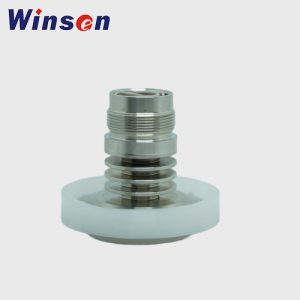
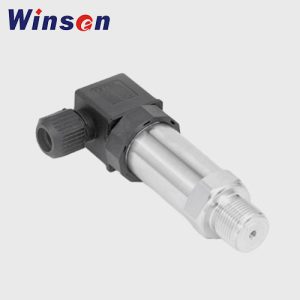
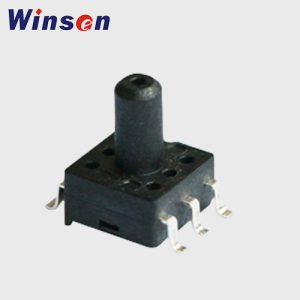
ಒಂದು differential pressure sensor measures the pressure difference across two ports. Internally, it uses mechanical deformation, strain gauges, or capacitive elements to convert pressure into an electrical signal.

6.2 Sensor Technologies

  • ಕೆಪ್ಪರೆಯಾಗುವ: Change in capacitance due to diaphragm deflection.
  • ದೆವ್ವದ ಮಾಪಕ: Resistance change in strained elements.
  • Piezoelectric: Voltage generation from pressure stress.
  • MEMS (Micro-Electro-Mechanical Systems): Compact and integrated for consumer and industrial use.

6.3 Transmitter Output

Most differential pressure sensors are paired with transmitters to provide:

  • 4–20 mA analog signals
  • Digital protocols (HART, Modbus, Profibus)
  • Wireless output in modern smart systems

7. Applications of Differential Pressure

7.1 Flow Measurement

Differential pressure is widely used in flow measurement with primary elements:

  • Orifice plates
  • Venturi tubes
  • Pitot tubes
  • Nozzles

These devices create a pressure drop proportional to the square of the flow rate. The flow is calculated using the Bernoulli equation.

Q=ಸಿ2Δಪಿ/ρ

ಎಲ್ಲಿ:

  • Q = Volumetric flow rate
  • ಸಿ = Discharge coefficient
  • ρ = Fluid density
  • Δಪಿ = Differential pressure

7.2 Filter Monitoring

Differential pressure across a filter indicates its condition. As the filter clogs, the pressure drop increases, alerting the need for replacement.

7.3 Level Measurement

For pressurized tanks, differential pressure can be used to measure liquid level:

h=Δಪಿρg

ಎಲ್ಲಿ:

  • h = Fluid height
  • ρ = Fluid density
  • g = Gravitational acceleration

7.4 Pump Monitoring

Monitoring inlet and outlet pressure allows operators to:

  • Evaluate pump performance
  • Detect cavitation
  • Identify blockages

7.5 HVAC Systems

  • Measure airflow across ducts
  • Monitor pressure drops across fans or filters
  • Ensure system efficiency and energy savings

7.6 Cleanroom and Biosafety

  • Maintain pressure differentials between zones
  • Ensure containment of contaminants or sterile conditions

8. Advantages of Differential Pressure Sensors

  • Versatile: Suitable for liquids, gases, and steam.
  • Reliable: Robust in harsh environments.
  • Compact: Modern designs are compact and efficient.
  • Cost-Effective: Provide valuable insight with simple installation.

9. Installation Considerations

To ensure accurate differential pressure measurements:

  • Correct orientation: Mount the sensor in the direction of fluid flow.
  • Proper sealing: Avoid leakage or contamination.
  • Impulse lines: Use high- and low-pressure impulse tubing.
  • Bleed valves: Eliminate trapped air for accurate readings.
  • Environmental conditions: Protect from vibration, temperature, and condensation.

10. Key Specifications to Consider

Specificationಪ್ರಾಮುಖ್ಯತೆ
ಒತ್ತಡದ ವ್ಯಾಪ್ತಿMust match expected differential range
ನಿಖರತೆCritical in flow and level applications
ಮಾಧ್ಯಮ ಹೊಂದಾಣಿಕೆSensor materials should resist corrosion and fouling
ಪ್ರತಿಕ್ರಿಯೆ ಸಮಯImportant for dynamic systems
Output SignalMatch to control system input (analog/digital)
Process ConnectionThreaded, flange, manifold mounting as needed

11. Differential Pressure in Safety Systems

Differential pressure sensors play key roles in safety-critical systems:

  • ಸೋರಿಕೆ ಪತ್ತೆ: Sudden drop may indicate pipe rupture.
  • Overpressure Protection: Valve actuation based on pressure differences.
  • Combustion Monitoring: Ensures draft and airflow in boilers.

12. Challenges and Limitations

Despite its versatility, differential pressure has some challenges:

  • Temperature Effects: Can alter fluid properties or sensor readings.
  • Clogging of Impulse Lines: Requires regular maintenance.
  • Condensation in Gas Lines: May affect measurement accuracy.
  • Non-linear Flow Calculation: Flow based on square root of DP.

13. Modern Innovations

13.1 Smart Differential Pressure Transmitters

  • Self-diagnostics
  • Remote calibration
  • Wireless connectivity (IoT ready)
  • Integration with SCADA and DCS

13.2 Digital Compensation

Sensors now use built-in algorithms to compensate for:

  • Temperature drift
  • Barometric variation
  • Line noise and vibration

13.3 Differential Pressure MEMS Chips

  • Used in medical devices, drones, and smartphones
  • Enable precise low-pressure differential measurement
  • Highly miniaturized and power-efficient

14. Industry Standards and Compliance

Differential pressure equipment often conforms to:

  • IEC 61508 / SIL: Functional safety
  • ISO 5167: Flow measurement standards
  • ASME / API: Process industry best practices
  • CE, ATEX, FM: Compliance for explosive and hazardous environments

15. Real-World Case Studies

15.1 Water Treatment Plant

  • Application: Monitor membrane filters.
  • ಲಾಭ: Automated filter backwashing when differential pressure exceeds 0.5 bar.

15.2 Oil Refinery

  • Application: Flow measurement across steam lines.
  • ಲಾಭ: Optimize steam usage and prevent pipeline stress.

15.3 Cleanroom Monitoring

  • Application: Maintain 10 Pa differential between clean and dirty zones.
  • ಲಾಭ: Protect product sterility and worker safety.

16. ತೀರ್ಮಾನ

Differential pressure is a foundational principle in fluid dynamics and process control. It provides essential data for measuring flow rates, monitoring filters, regulating HVAC systems, ensuring safety, and maintaining operational efficiency.

As technology advances, differential pressure sensors are becoming more accurate, compact, intelligent, and integrable into smart systems. With widespread use across industrial, medical, and environmental domains, understanding and utilizing differential pressure is crucial for engineers, operators, and designers alike.

ಉತ್ತರವನ್ನು ಬಿಡಿ

ನಿಮ್ಮ ಇಮೇಲ್ ವಿಳಾಸವನ್ನು ಪ್ರಕಟಿಸಲಾಗುವುದಿಲ್ಲ. ಅಗತ್ಯವಿರುವ ಕ್ಷೇತ್ರಗಳನ್ನು ಗುರುತಿಸಲಾಗಿದೆ *